
Dream11 has exited as team India’s lead sponsor because of the recent Promotion and Regulation of Online Gaming Bill, 2025, which the Indian parliament passed. The fantasy gaming company was onboarded as the jersey sponsor of the Indian cricket team in 2023 for a period of three years.
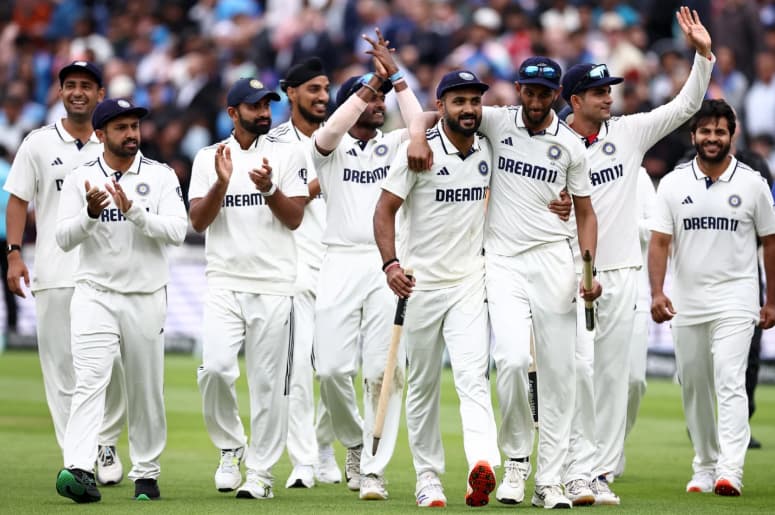
The deal was worth INR 358 crore, and it included a per-match fee of INR 3 crore for home games and INR 1 crore for away games. Dream11, one of the biggest fantasy sports platforms in the country, had replaced Byju’s on the Indian jersey. The BCCI is yet to onboard a sponsor, and the process might be sped up as the Asia Cup and Women’s World Cup are around the corner.
Impact on Cricket Sponsorship and Revenue
The gist of the act is that it has put a blanket ban on all online money games, whether based on chance, skill, or a combination. It also prohibits any form of advertising, promotion, and financial transactions related to such games. It meant that the entire fantasy gaming industry became illegal within a few days, and hence, BCCI and Dream11 had to cut short their ties.
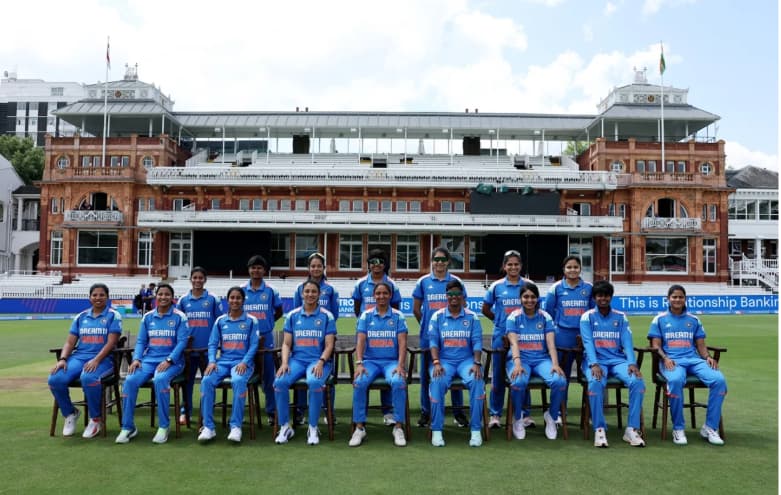
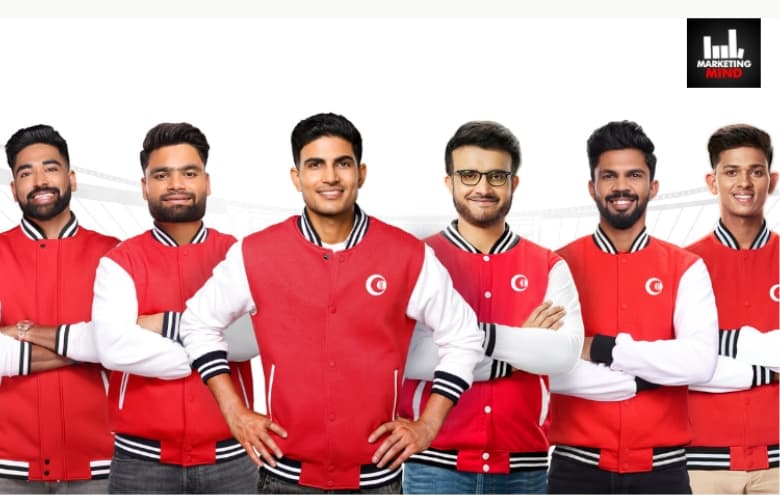
The ban will have a ripple effect across the cricketing ecosystem. The fantasy gaming companies have been the biggest players in advertising and endorsements. A lot of active and former cricketers are directly associated with real-money gaming firms. Rohit Sharma, Jasprit Bumrah, KL Rahul, Rishabh Pant, Hardik Pandya, and Krunal Pandya were associated with Dream11. Shubman Gill, Mohammed Siraj, Yashasvi Jaiswal, Ruturaj Gaikwad, Rinku Singh and Sourav Ganguly were endorsed by My11Circle.
In 2021, former Indian captain Virat Kohli invested in MPL and was allotted Compulsory Convertible Debentures (CCDs) for INR 33.32 lakh. In 2022, Winzo, a social skill gaming platform, onboarded MS Dhoni as its brand ambassador. Both companies had to cease their operations, and hence, the two players will also suffer a significant loss.
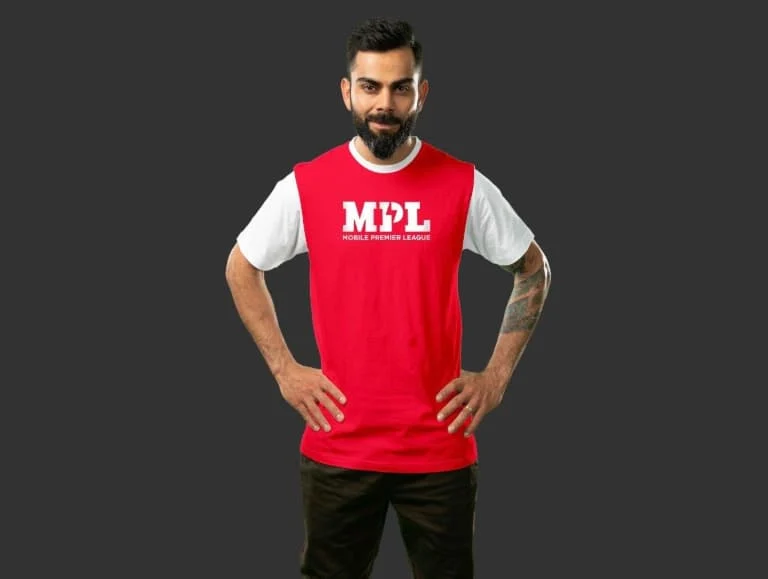
According to a report in Cricbuzz, Kohli’s contract with MPL was estimated at around INR 10-12 crore annually. Rohit and Dhoni were getting around INR 6-7 crore from their deal with Dream11 and Winzo, respectively. Dhoni was also once contracted by Dream11 and appeared in several commercials for the company.
The new-age cricketers had an estimated deal of around INR 1 crore with fantasy gaming platforms. In total, Indian cricketers are likely to lose between INR 150-200 crore a year from these terminated contracts. The loss might not be huge for top cricketers with several endorsements and might account for about 5-10 percent of their overall endorsement income.
However, young or lesser-known cricketers are set to lose almost 50 to 100 percent of their endorsement income. Mohammed Siraj was associated with three brands, including My11Circle, and he will lose 33 percent of his endorsement earnings. Washington Sundar also had three brand tie-ups and will lose 33 percent of his endorsement earnings. Some cricketers are set to lose all their endorsement earnings as they were associated only with these companies.
Impact on IPL and the Advertising Industry
The ban had an immediate effect on BCCI’s deal with Dream11. It will now have a huge effect on IPL and franchises as they will also lose sponsors. My11Circle was an associate partner of the IPL and had a deal of INR 125 crore with the BCCI. The company had signed a five-year deal with the board in 2024 and had three more years left in the contract. The next season of IPL is still far away, but the BCCI will have to onboard another associate sponsor before the IPL 2026 mini auction.
Franchises like KKR, LSG and SRH had these gaming companies as their sponsors and were estimated to earn anywhere between INR 10-20 crore a year. The franchises will be hopeful of getting other brands; however, they might not be sure of getting the same amount from new deals.
Experts in the advertising industry believe that this ban means that the industry is set to lose anywhere between INR 8,000-10,000 crore a year. “In terms of overall advertising spends, these gaming companies contribute around 7-8 percent of the market. Nearly 80 percent of that will vanish, since real money gaming accounts for 75-80 percent of the overall gaming market. So that is one big impact. Roughly 7-8 percent of total ad spends and about 15-20 percent of digital ad spends will also disappear, because their share in digital advertising is higher,” said Karan Taurani, executive vice-president, Elara Capital, as per a report in Cricbuzz.
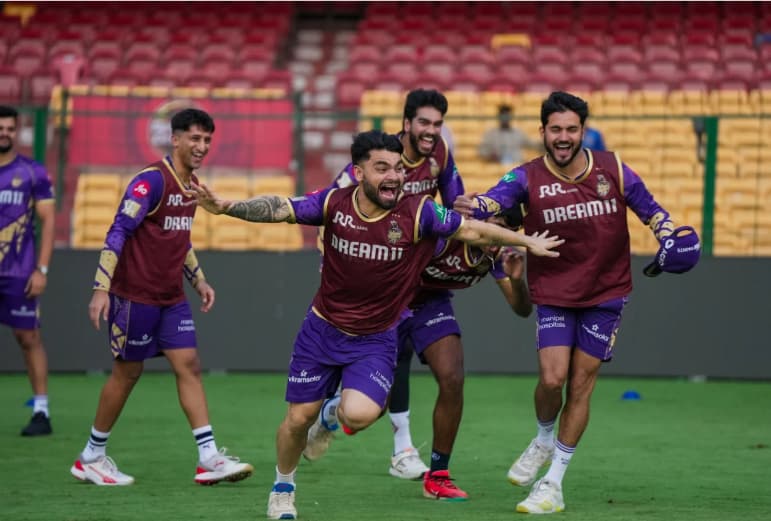
“This was the amount being spent on cricket and cricketers. Now, I think endorsements for cricketers will take a hit. Their brand value and income are bound to decline. While players endorse multiple products, the real money gaming segment contributed significantly to their endorsement revenue, which could drop by 20-25 percent. Broadly, that translates to about INR 8,000-10,000 crore,” the industry expert thinks.
Impact on Other Events
Dream11 was not just present in India, but had a number of deals with various cricketing boards and leagues around the world. It is the official fantasy partner of the Caribbean Premier League. In New Zealand, the company was the title sponsor of the domestic T20 league called Super Smash. It also had a tie-up with Australia’s Big Bash and Women’s Big Bash League.
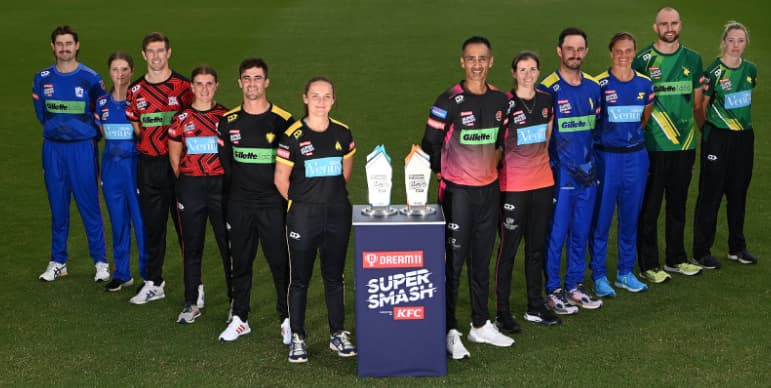
A number of T10 tournaments in Europe were sponsored by Dream11. The European Cricket Network, the host of these cricketing tournaments, had to pause all of its upcoming events after the ban. As per a report in Cricket Europe, a total of around £4 million has been distributed to associate members in Europe since 2019. A total of 26 European countries are a part of the European Cricket Network.
What Is the Promotion and Regulation of Online Gaming Bill, 2025?
The government of India took just three days to make the Promotion and Regulation of Online Gaming Bill, 2025, an act in the country. The bill was introduced and passed in the Lok Sabha, the lower house of the Parliament of India, on August 20. On August 21, it was introduced and passed in the Rajya Sabha, the upper house of the Parliament of India. The bill received the assent of the President of India on August 22, and it became the Promotion and Regulation of Online Gaming Act, 2025.
Why Was It Introduced?
The Indian government introduced this act to protect the citizens in the country from the menace of online money games. Another aim of the act is to promote and regulate other kinds of online games. The government has set up a National Online Gaming Commission (NOGC) to regulate and license online gaming platforms.

Leave a Comment