
Cricket is usually known for big scores and long matches. But sometimes, teams collapse in a way no one expects. Recently, on July 14, 2025, the West Indies were bowled out for just 27 runs against Australia in Jamaica, making a record of the second-lowest total ever in Test cricket and the lowest in more than 70 years.
As of now, New Zealand still holds the record for the lowest total. They were all out for 26 runs against England in 1955. That record stood for decades.
Lowest Score In Test
Test cricket is the hardest format of the game. It tests how focused and skilled a player really is. When the pitch is difficult and the bowlers are on target, even the best teams can struggle. Sometimes, they get out very quickly.
In this post, we will look at the lowest team scores in Test history. We will cover the top 22 lowest totals and also highlight the 11 most famous collapses. These moments show just how unpredictable Test cricket can be.
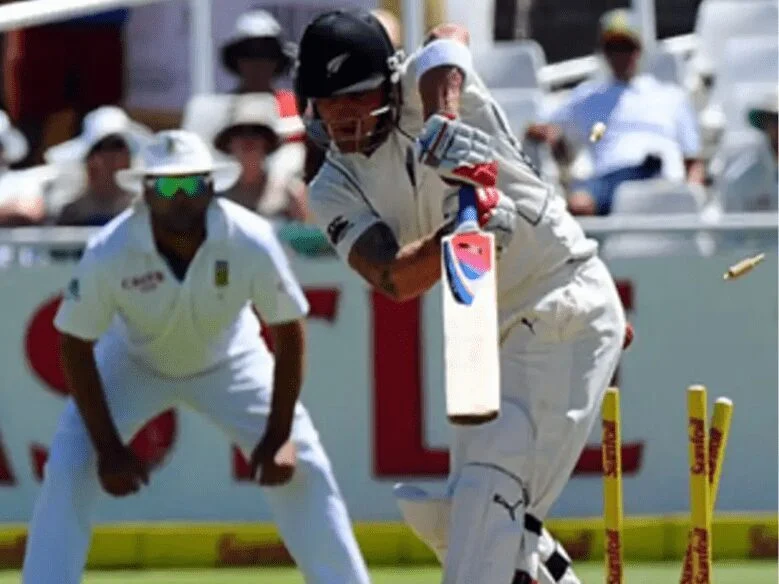
Here’s a table of the top 22 teams with the lowest Test totals:
| Team | Runs | Overs | Inns | Against | Venue | Date |
|---|---|---|---|---|---|---|
| New Zealand | 26 | 27.0 | 3 | England | Auckland | 25 Mar 1955 |
| West Indies | 27 | 14.3 | 4 | Australia | Jamaica | 14 Jul 2025 |
| South Africa | 30 | 18.4 | 4 | England | Gqeberha | 13 Feb 1896 |
| South Africa | 30 | 12.3 | 2 | England | Birmingham | 14 Jun 1924 |
| South Africa | 35 | 22.4 | 4 | England | Cape Town | 1 Apr 1899 |
| South Africa | 36 | 23.2 | 1 | Australia | Melbourne | 12 Feb 1932 |
| Australia | 36 | 23.0 | 2 | England | Birmingham | 29 May 1902 |
| India | 36 | 21.2 | 3 | Australia | Adelaide | 17 Dec 2020 |
| Ireland | 38 | 15.4 | 4 | England | Lord’s | 24 Jul 2019 |
| New Zealand | 42 | 39.0 | 1 | Australia | Wellington | 29 Mar 1946 |
| Australia | 42 | 37.3 | 2 | England | Sydney | 10 Feb 1888 |
| Sri Lanka | 42 | 13.5 | 1 | South Africa | Durban | 28 Nov 2024 |
| India | 42 | 17.0 | 3 | England | Lord’s | 20 Jun 1974 |
| South Africa | 43 | 28.2 | 3 | England | Cape Town | 25 Mar 1889 |
| Bangladesh | 43 | 18.4 | 1 | West Indies | North Sound | 4 Jul 2018 |
| Australia | 44 | 26.0 | 4 | England | The Oval | 10 Aug 1896 |
| South Africa | 45 | 31.3 | 3 | Australia | Melbourne | 12 Feb 1932 |
| England | 45 | 35.3 | 1 | Australia | Sydney | 28 Jan 1887 |
| New Zealand | 45 | 19.2 | 1 | South Africa | Cape Town | 2 Jan 2013 |
| England | 46 | 19.1 | 4 | West Indies | Port of Spain | 25 Mar 1994 |
| India* | 46 | 31.2 | 1 | New Zealand | Bengaluru | 17 Oct 2024 |
| New Zealand | 47 | 32.3 | 2 | England | Lord’s | 19 Jun 1958 |
On 17 October 2024, India registered their 3rd lowest Test total against New Zealand. This is one of the recent entry in the top 22 list. After the first day was washed out due to rain, India managed to score only 46 runs in their first innings.
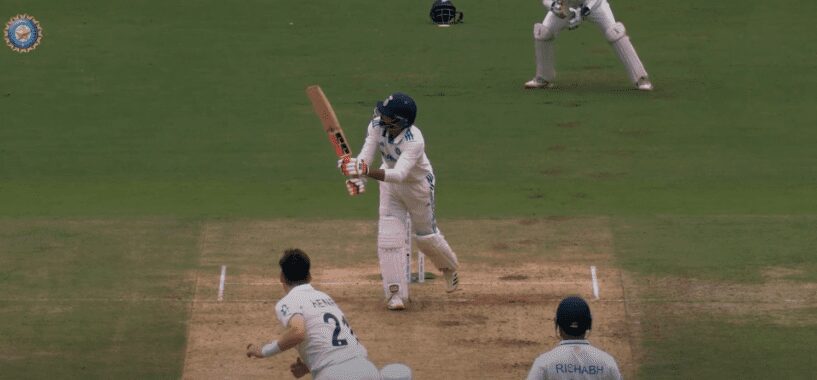
Rishabh Pant scored the highest 20 runs, while five players (Virat Kohli, Sarfaraz Khan, KL Rahul, Ravi Jadeja, and Ravi Ashwin) were out for a duck. New Zealand’s bowlers Matt Henry and William ORourke took 5 and 4 wickets respectively.
Now, let’s take a closer look at the top 11 lowest Test scores in history:
1. New Zealand – 26 runs vs England (1955)
New Zealand’s 26 all out against England in Auckland remains the lowest Test score ever. The Kiwis faced a tough English bowling attack led by Bob Appleyard and Frank Tyson. This collapse happened in the second innings, with no batsman reaching double figures. Bert Sutcliffe top-scored with just 11 runs.
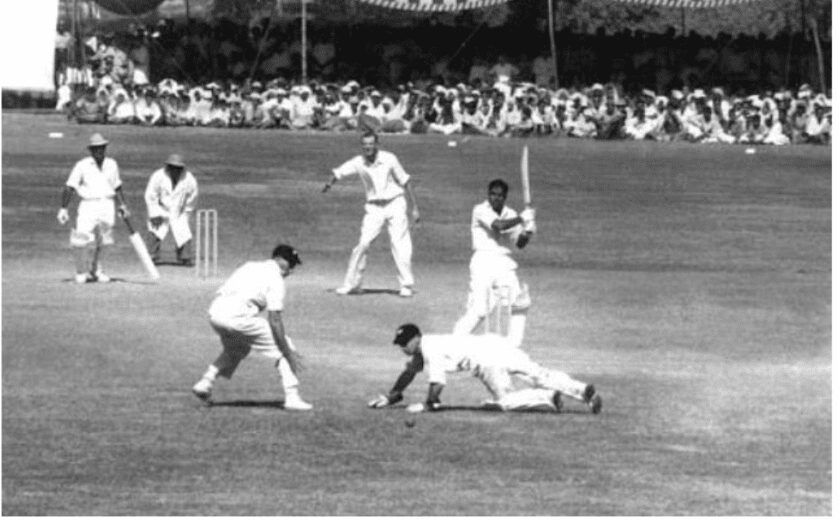
The match was part of a series where New Zealand was struggling to find its footing in Test cricket, having only been playing Tests for about 25 years at that point. This innings lasted just 27 overs, showcasing the dominance of the English bowlers on a difficult pitch.
2. West Indies – 27 runs vs Australia (2025)
West Indies had a really tough day in the third test against Australia. They got bowled out for just 27 runs. It happened during the second innings of the Test match in Jamaica.
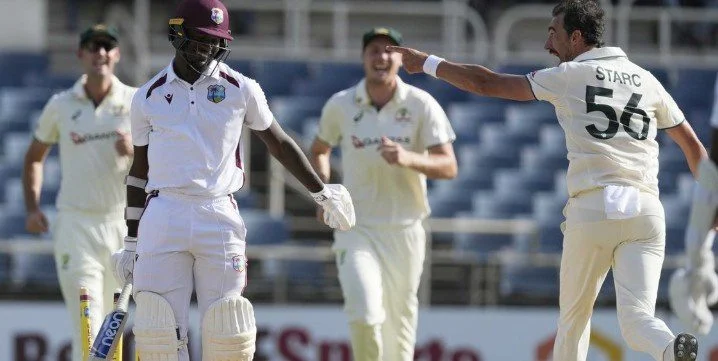
Mitchell Starc was on fire and took 6 wickets for just 9 runs, and Scott Boland took a hat trick in this match.
This total is now the second-lowest score ever in Test cricket and the lowest in over 70 years. It was a tough moment for West Indies fans and a reminder of how quickly things can fall apart in Test cricket.
3. South Africa – 30 runs vs England (1896)
South Africa’s first entry on this list came in Port Elizabeth. England’s George Lohmann wreaked havoc, taking 8 wickets for just 7 runs. This performance remains one of the best bowling figures in Test cricket history.
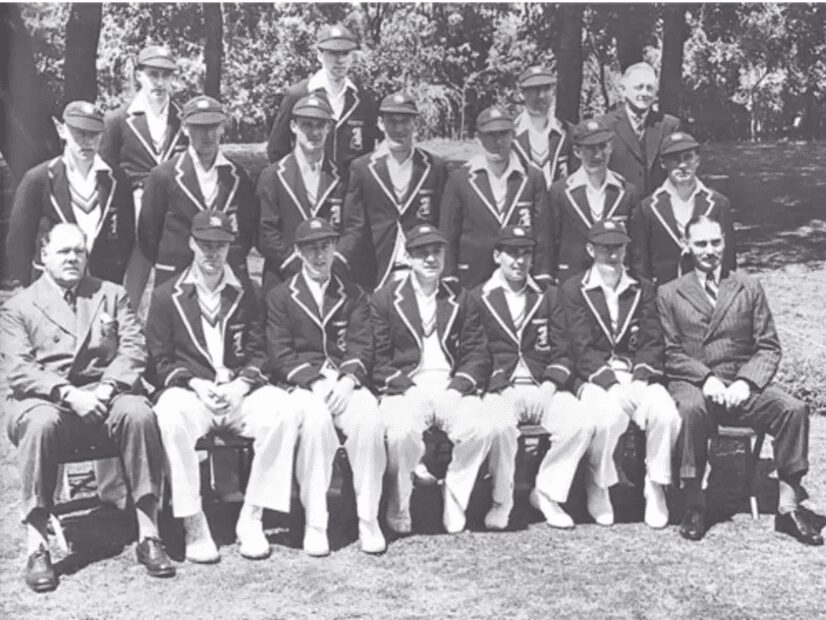
The South African team, still in its cricketing infancy, was completely outclassed. The entire innings lasted only 18.4 five-ball overs, with extras being the top scorer at 6 runs. This match highlighted the gulf in class between the established English team and the developing South African side.
4. South Africa – 30 runs vs England (1924)
Lightning struck twice for South Africa, this time in Birmingham. They were bowled out in just 12.3 overs, the shortest completed innings in Test cricket. Maurice Tate and Arthur Gilligan shared the wickets between them, with Tate taking 4 for 12 and Gilligan 6 for 7.
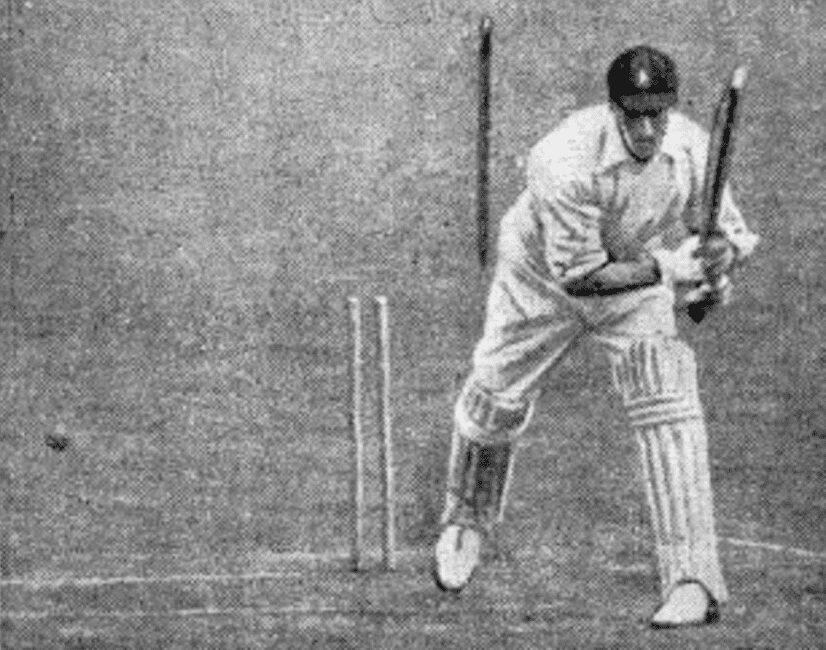
The highest individual score was again extras at 11. This collapse came in the first innings of the match, setting the tone for a crushing defeat. The brevity of this innings remains a record in Test cricket, showcasing how quickly things can unravel at the highest level.
5. South Africa – 35 runs vs England (1899)
South Africa features again, this time in Cape Town. Schofield Haigh was the chief destroyer, taking 6 wickets for 11 runs. This collapse came after South Africa had taken a first-innings lead, making it even more shocking. Albert Trott supported Haigh with 4 wickets for 19 runs.
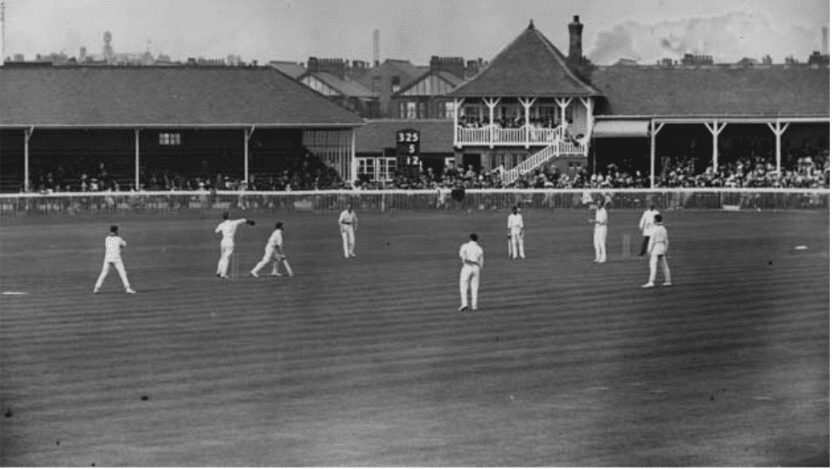
The entire South African innings lasted just 22.4 overs, with only two batsmen reaching double figures. This match demonstrated how quickly fortunes can change in Test cricket, with South Africa going from a position of strength to a crushing defeat.
6. South Africa – 36 runs vs Australia (1932)
In Melbourne, South Africa faced a rampant Australian team. Bert Ironmonger, at 50 years old, took 5 wickets for 6 runs, supported by Clarrie Grimmett’s 4 wickets for 21 runs. This was part of a series where South Africa struggled immensely, losing all five Tests.
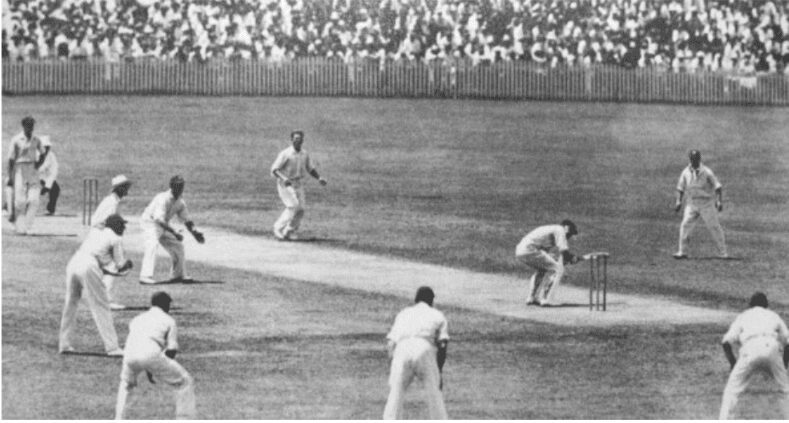
The innings lasted 23.2 overs, with only captain Jock Cameron reaching double figures with 11 runs. This match was particularly notable for Ironmonger’s performance, proving that age is just a number in cricket.
7. Australia – 36 runs vs England (1902)
The only Australian entry in the top 10 came in Birmingham. Wilfred Rhodes took 7 wickets for 17 runs, dismantling a strong Australian batting line-up that included Victor Trumper and Clem Hill. This collapse happened in the second innings after Australia had secured a first-innings lead.
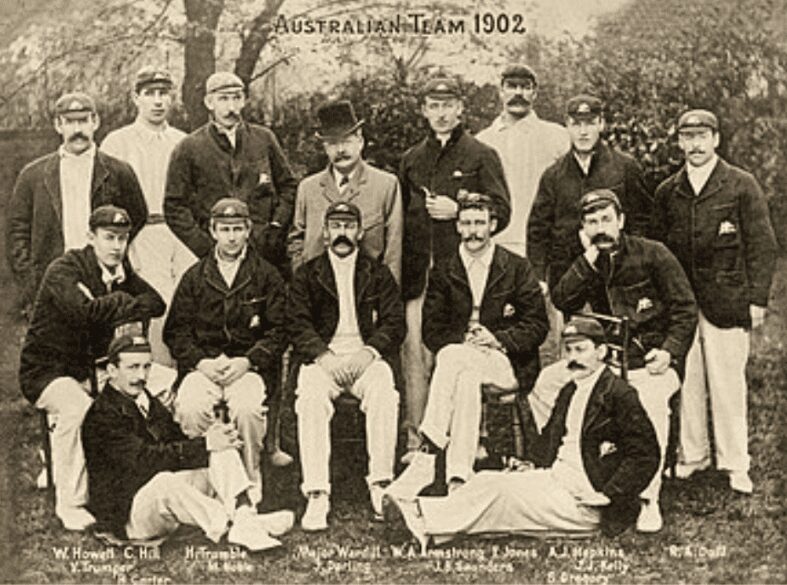
The entire innings lasted just 23 overs, with extras being the top scorer at 8. This match was part of the famous 1902 Ashes series, which Australia went on to win despite this setback, showcasing the team’s resilience.
8. India – 36 runs vs Australia (2020)
The second most recent entry on this list, India’s collapse in Adelaide against Australia, shocked the cricket fans. Josh Hazlewood (5/8) and Pat Cummins (4/21) ran through the Indian batting order in just 21.2 overs.
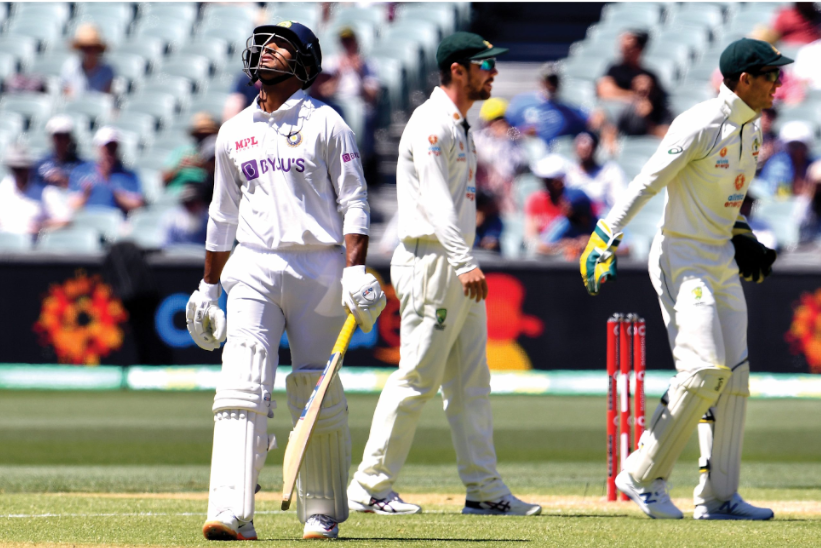
This was India’s lowest-ever Test score, coming in the second innings after they had taken a first-innings lead. No Indian batsman reached double figures, with Mayank Agarwal’s 9 being the highest score. Despite this collapse, India bounced back to win the series 2-1, making it one of the most remarkable turnarounds in Test history.
9. Ireland – 38 runs vs England (2019)
Ireland’s dream of a maiden Test win turned into a nightmare at Lord’s. Chris Woakes and Stuart Broad shared all ten wickets between them, bowling Ireland out in just 15.4 overs. This collapse came in Ireland’s second innings after they had impressively bowled England out for 85 in the first innings.
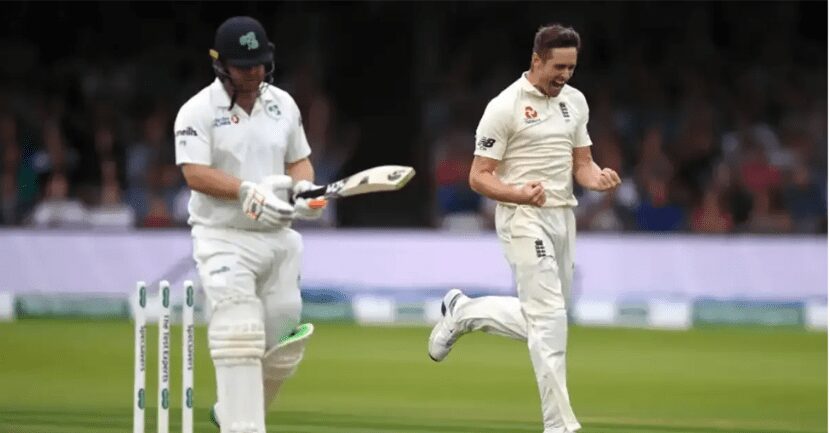
James McCollum top-scored with 11, while six batsmen failed to score. Despite the disappointment, this match was a significant moment for Irish cricket, being their first Test at the historic Lord’s Ground.
10. New Zealand – 42 runs vs Australia (1946)
New Zealand’s struggles continued in Wellington. Bill O’Reilly and Ernie Toshack were the chief destroyers, taking 5 and 4 wickets respectively. This was New Zealand’s first Test match after World War II, and they were clearly rusty.
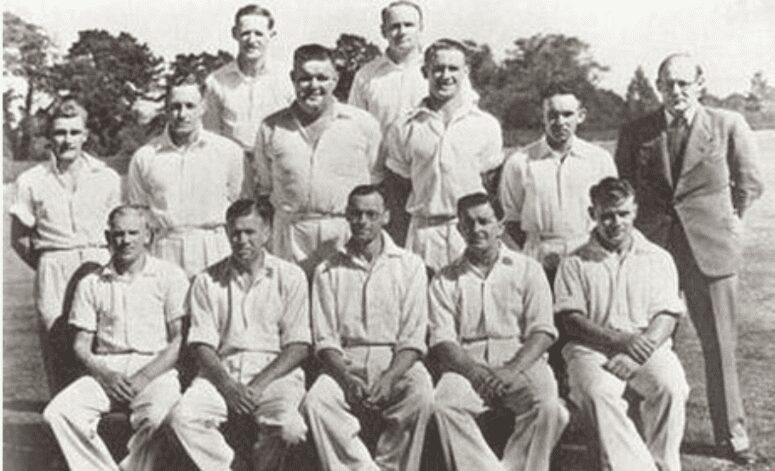
The innings lasted 39 overs, with Walter Hadlee’s 15 being the highest score. This match was part of Australia’s first tour to New Zealand, marking an important moment in trans-Tasman cricketing relations despite the one-sided nature of the contest.
11. Australia – 42 runs vs England (1888)
The oldest entry in the top 11, this collapse happened in Sydney. George Lohmann and Bobby Peel took all ten wickets, with Lohmann finishing with figures of 8/35 in the match. This was only the 27th Test match ever played, showcasing how even the strongest teams could struggle in the early days of Test cricket.
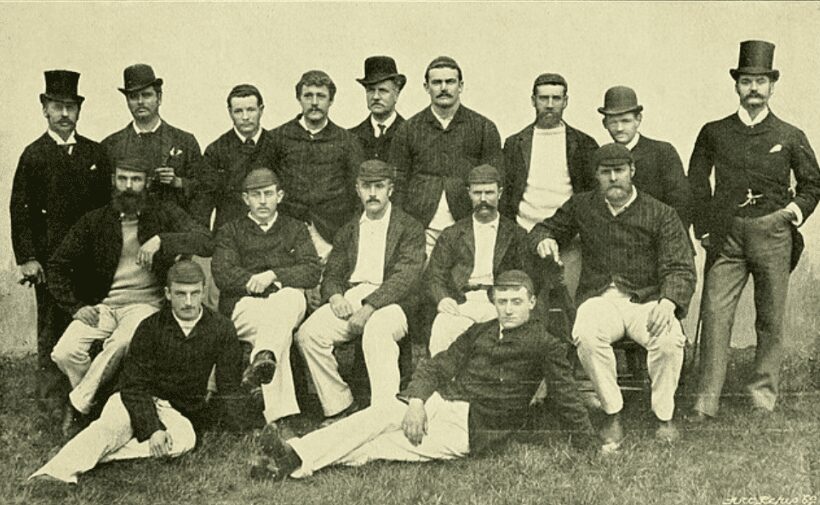
The entire innings lasted 37.3 four-ball overs, with extras again being the top scorer at 9. Despite this collapse, the match ended in a draw due to time constraints, a common occurrence in early Test cricket.
Related Reads:
Conclusion: The Lowest Test Total Is 26 Runs By New Zealand Against England
These lowest scores in Test cricket show how anything can happen in the game. Even strong teams can lose all their wickets quickly when the bowlers are doing well, sometimes the pitch is difficult, and the pressure is high.
The lowest score in Test history is 26 runs by New Zealand against England in 1955. That record has stayed for a very long time. And after 70 years, recently the West Indies made the lowest test score against Australia with 27 runs.
But one bad match does not mean the team is weak. India once got all out for 36 runs against Australia in 2020. Everyone thought the series was over, but they came back and won it. That shows how important it is to stay strong and keep fighting.
These kinds of collapses also help teams learn. They check what went wrong, practice harder, and come back better. In the end, it helps players grow and makes Test matches even more exciting for fans.

Leave a Comment