
Cricket is one of the most popular sports worldwide, but betting on it remains a controversial issue. While some countries allow sports gambling, many nations have chosen to ban cricket betting entirely.
These bans exist not only in cricket-loving countries but also in nations where the sport is less common. Governments often cite cultural, religious, and legal reasons for restricting betting, aiming to protect citizens and preserve the integrity of the sport.
In this article, we explore the countries where cricket betting is prohibited and the reasons behind these decisions.
Cricket Betting Banned Countries
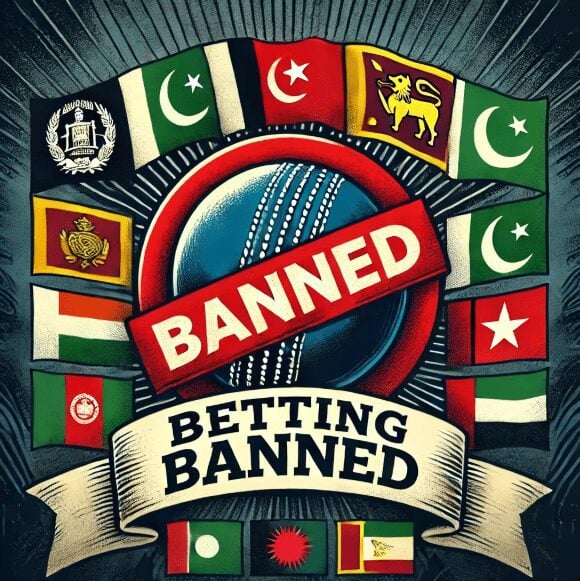
Here’s a table of 20 countries where cricket betting is banned:
| Cricketing Nations | Non-Cricketing Nations |
|---|---|
| Afghanistan | Brunei |
| Pakistan | Thailand |
| Bangladesh | United States |
| Malaysia | North Korea |
| Nepal | Vatican City |
| United Arab Emirates | Cuba |
| Saudi Arabia | Qatar |
| Iraq | Maldives |
| Kuwait | Eritrea |
| Oman | Myanmar |
10 Cricketing Nations That Banned Cricket Betting
Despite their deep-rooted cricket culture, several nations have chosen to outlaw betting on the sport. This decision often stems from religious, cultural, or legal considerations. Let’s examine the laws and reasons behind the cricket betting ban in these ten cricketing nations:
1. Afghanistan
Under Islamic law, all forms of gambling, including cricket betting, are strictly prohibited. The country’s legal system, heavily influenced by Sharia law, considers gambling a sinful activity that can lead to social and economic problems.
2. Pakistan
Cricket betting is illegal under Pakistan’s gambling laws. The Prevention of Gambling Act, enacted in 1977, explicitly bans all forms of gambling, including sports betting. Despite the popularity of cricket in Pakistan, authorities maintain a strong stance against betting to preserve the integrity of the sport.
3. Bangladesh
The Public Gambling Act of 1867 makes gambling illegal, but the government recently passed the Cyber Security Act of 2025 to specifically target online betting. Under these new laws, anyone caught betting on cricket apps or websites faces up to two years in prison and massive fines, as the country maintains a “zero-tolerance” policy.
4. Malaysia
In Malaysia, betting on cricket is strictly prohibited under the Common Gaming Houses Act 1953 and Sharia law for Muslim citizens. While the country has one legal land-based casino, all forms of sports betting remain illegal, and the government frequently blocks international betting sites to stop residents from wagering on cricket matches.
5. Nepal
Gambling is largely illegal in Nepal, with limited exceptions for certain casino operations. The Gambling Act of 1963 prohibits all forms of public gambling, which extends to cricket betting. This stance aims to protect citizens from the potential negative impacts of gambling.
6. United Arab Emirates
All forms of gambling, including cricket betting, are banned in the UAE. This prohibition is based on both Islamic principles and federal laws. The UAE Penal Code considers gambling a punishable offense, reflecting the country’s conservative stance on the issue.
7. Saudi Arabia
In Saudi Arabia, gambling is strictly prohibited under Islamic law. This blanket ban covers all forms of betting, including on cricket. The country’s legal system, based on Sharia law, views gambling as a serious offense that can lead to severe penalties.
8. Iraq
Iraq’s laws prohibit all forms of gambling, including sports betting. This ban extends to cricket betting, reflecting the country’s conservative approach to gambling activities. The Iraqi Penal Code considers gambling a punishable offense.
9. Kuwait
Similar to other Gulf countries, Kuwait bans all forms of gambling under Islamic law. This prohibition includes betting on cricket and other sports. The Kuwaiti government maintains strict enforcement of these laws to uphold religious and cultural values.
10. Oman
Oman’s laws, influenced by Islamic principles, prohibit all forms of gambling. This includes betting on cricket and other sports. The country’s stance on gambling is part of its broader effort to maintain social and religious norms.
10 Non-Cricketing Nations That Banned Cricket Betting
Interestingly, several countries where cricket is not a major sport have also banned betting on the game. This is often part of a broader prohibition on gambling or sports betting.
Let’s explore the laws in these ten non-cricketing nations:
1. Brunei
Brunei has some of the strictest anti-gambling laws in the world. All forms of betting, including on niche sports like cricket, are totally banned under the Common Gaming Houses Act. The law is strictly enforced with heavy fines and even corporal punishment to ensure the country remains free from gambling activities.
2. Thailand
Except for the national lottery and horse racing at specific tracks, almost all gambling is illegal in Thailand. The Gambling Act of 1935 prohibits sports betting, and despite cricket’s small presence, any form of wagering on the game is a criminal offense that can lead to arrests and jail time.
3. United States
The legality of sports betting in the U.S. varies by state. While over 38 states have legalized sports betting , major states like Texas and California still maintain strict restrictions. Cricket betting, being a niche market in the U.S., falls under these broader bans in those specific regions, where placing a bet on a cricket match remains against state law.
4. North Korea
The authoritarian regime in North Korea prohibits all forms of gambling, including sports betting. This blanket ban naturally extends to cricket betting, reflecting the government’s tight control over all aspects of citizens’ lives.
5. Vatican City
As the headquarters of the Roman Catholic Church, Vatican City prohibits all forms of gambling, including any sports betting. This stance aligns with the church’s moral teachings on the dangers of gambling.
6. Cuba
Under its socialist system, Cuba maintains a ban on most forms of gambling, including sports betting. While some state-run lotteries exist, betting on cricket or any other sport remains illegal.
7. Qatar
Like many Middle Eastern countries, Qatar bans all forms of gambling under Islamic law. This prohibition covers betting on all sports, including cricket, reflecting the country’s conservative religious and cultural values.
8. Maldives
The Maldives, an Islamic nation, prohibits gambling in all its forms. This ban extends to sports betting, including cricket, aligning with the country’s religious principles and legal framework.
9. Eritrea
Gambling is illegal in Eritrea, with the government maintaining a strict ban on all forms of betting, including sports. This prohibition naturally includes cricket betting, despite the sport’s limited presence in the country.
10. Myanmar
Under current laws in Myanmar, gambling is largely illegal. While some exceptions exist for state-run lotteries, sports betting, including cricket, remains prohibited. The government maintains these restrictions to prevent social problems associated with gambling.
Also Read:
Conclusion: Cricket Betting Is Banned In Many Asian Countries
The landscape of cricket betting bans is shaped by a mix of cultural, legal, and religious reasons. In cricket-loving countries, the ban is often aimed at protecting the sport’s integrity and avoiding match-fixing. In other countries where cricket is less popular, the ban falls under wider gambling restrictions.
However, with the rise of online betting, these bans face new challenges. Digital platforms make it easier for people to bet, even in countries where it is illegal. As the global debate around sports betting continues, some countries may rethink their stance, balancing potential economic benefits with social and moral concerns.
For players, fans, and policymakers, understanding the different ways cricket betting is regulated is important. As cricket grows in popularity worldwide, the conversation about the legality and ethics of cricket betting is likely to stay relevant in the years to come.

Leave a Comment