
Leg Before Wicket, or LBW, is an important way a batsman can be dismissed in cricket. It happens when the ball hits the batsman’s leg in front of the wicket, and the umpire decides that the ball would have gone on to hit the stumps.
LBW rules help keep the game fair by stopping batsmen from blocking the ball with their body. Umpires use their judgment to decide if a batsman is out LBW, and now technology like ball-tracking helps make these decisions more accurate.
This article explains how LBW works and the rules behind it.
Understanding the Basics: What is LBW?
LBW stands for Leg Before Wicket, a way a batsman can be dismissed in cricket. It happens when the ball delivered by the bowler hits the batsman’s body, usually the leg, in front of the wicket, and the ball would have gone on to hit the stumps if it had not been blocked.
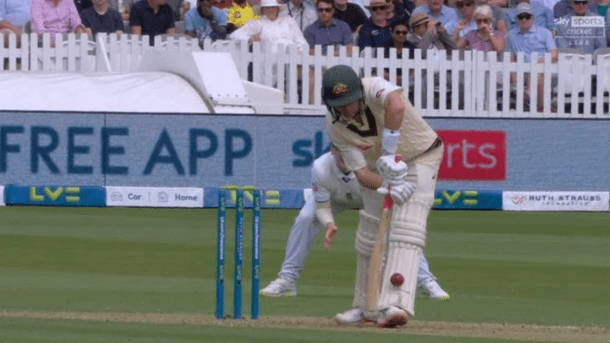
Simply put, if the batsman uses their body instead of the bat to stop the ball from hitting the wicket, the umpire can give them out LBW. This rule helps keep the game fair by preventing batsmen from protecting the stumps unfairly with their body rather than the bat.
How LBW Is Judged On The Field?
Deciding whether a batsman is out LBW involves several specific rules that umpires carefully consider during a match. These rules, outlined in Law 36 of the Laws of Cricket, help ensure fair and consistent decisions.
The umpire must evaluate factors like where the ball pitched, where it struck the batsman, and whether it was going to hit the stumps.
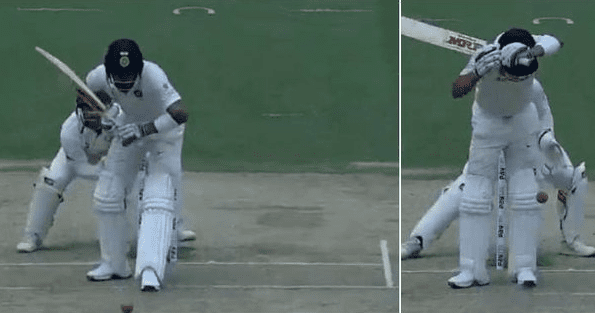
Here are the key criteria that determine an LBW dismissal:
- The ball must pitch in line with the wickets or on the off side of the striker’s wicket.
- If the ball pitches outside the leg stump, the batsman cannot be given out LBW.
- The ball must impact the batsman in line with the wickets or the off stump.
- If the ball strikes the batsman outside the line of off stump while the batsman is playing a genuine shot, LBW cannot be given.
- The ball must be going on to hit the stumps.
- The umpire judges whether the ball, after hitting the batsman, would have continued on to hit the stumps.
- The batsman must not have hit the ball with the bat first.
- If the ball hits the bat before the leg or any part of the body, LBW cannot be given.
Factors Considered For Umpire Decisions
The umpire closely watches where the ball pitches, where it strikes the batsman, and the likely path of the ball after impact. They also consider the batsman’s intent—if the batsman is playing a genuine shot and the ball hits outside the off stump, the umpire usually rules not out.
Because LBW decisions must often be made within seconds, they are among the most challenging calls for umpires.
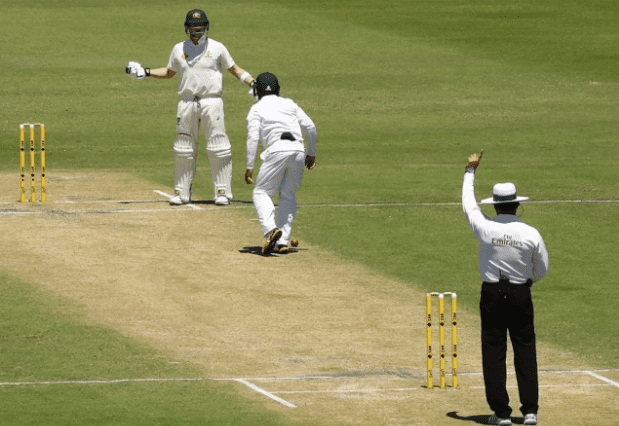
This split-second judgment, combined with the complexity of the rules, makes LBW one of the most debated and closely watched aspects of cricket.
The Role of DRS in LBW Decision-Making
The Decision Review System, or DRS, is a technology-based process used in cricket to help umpires make more accurate decisions, especially for close calls like LBW. It allows players to challenge the umpire’s on-field decision, which is then reviewed using various technological tools.
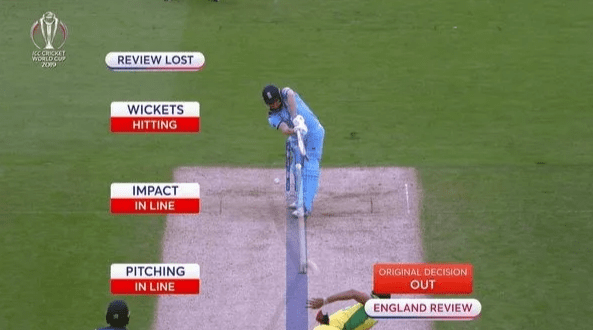
DRS uses ball-tracking, audio analysis, and multiple camera angles to closely examine the ball’s path, point of impact, and whether the ball hit the bat or pad first. This system has greatly improved the fairness and accuracy of umpiring decisions.
With the advancement of technology, the Decision Review System (DRS) has become a vital tool in assisting umpires with LBW decisions.
How DRS Helps
- Ball Tracking Technology: Systems like Hawk-Eye track the ball’s trajectory from the bowler’s hand to the batsman and predict if it would have hit the stumps.
- Impact Analysis: Slow-motion replays and UltraEdge or Snickometer help verify whether the ball hit the bat or the pad first.
- Multiple Angles: DRS provides several camera angles for precise analysis of the point of impact and ball pitching.
Impact of DRS on LBW
- It has made LBW decisions more accurate and less prone to human error.
- It reduces controversies, though some debates remain, especially when ball-tracking predictions are marginal.
- Players can challenge on-field LBW decisions, leading to reviews that often overturn wrong calls.
Famous LBW Dismissals in Cricket History
Over the years, cricket has witnessed several iconic LBW dismissals that have left a lasting impact on the game. These moments not only showcased the skill of bowlers but also highlighted the critical role of umpiring decisions.
Here are some of the most famous LBW dismissals in cricket history:
1. Sachin Tendulkar Wicket vs Australia (1999)
One of cricket’s most famous LBW wickets came during India’s 1999 tour of Australia in the Adelaide Test. Sachin Tendulkar, facing Glenn McGrath, ducked to a short delivery that stayed unexpectedly low and struck his shoulder.
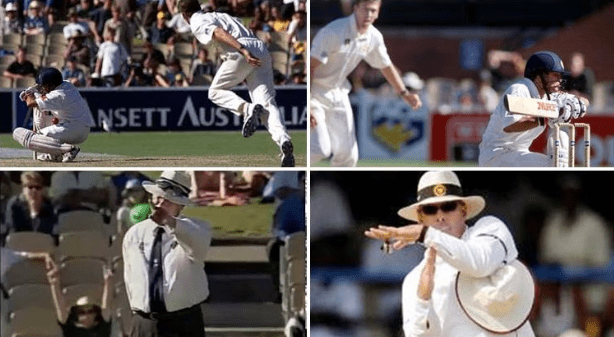
Umpire Daryl Harper gave him out LBW, sparking huge controversy as replays suggested the ball would have missed the stumps. Known as the ‘Shoulder Before Wicket,’ it remains one of the most debated decisions in cricket history.
2. Sunil Gavaskar vs Australia (1981)
A highly controversial LBW incident took place during the 1981 Melbourne Test between India and Australia. Sunil Gavaskar was given out LBW by umpire Rex Whitehead off Dennis Lillee’s delivery.

Believing he had edged the ball, Gavaskar protested and attempted to walk off with partner Chetan Chauhan. Indian team manager Shahid Durrani intervened, preventing a forfeit. India went on to win the match, but the incident remains a historic flashpoint.
3. Justin Langer vs Australia (2005)
During the 2005 Ashes series, a notable LBW controversy unfolded in the second Test at Edgbaston. Andrew Flintoff delivered a sharp inswinger to Australian opener Justin Langer, striking him on the pads.

Despite strong appeals, umpire Rudi Koertzen ruled Langer not out. Replays suggested the ball would have gone on to hit the stumps, making it a contentious decision. This incident remains one of the most debated LBW decisions in Ashes history.
Related Reads:
Conclusion: LBW Blends Rules, Skill, and Technology In Cricket!
LBW is a fundamental but complex mode of dismissal in cricket. It combines precise rules with umpire judgment and modern technology to maintain fairness and balance between bat and ball.
While still a source of debate and drama, LBW enriches the game by challenging batsmen to use their skills and encouraging bowlers to target the stumps intelligently.
Understanding LBW enhances the viewing experience and appreciation of cricket’s intricate laws.

Leave a Comment