
Cricket is more than just a sport in India. It’s an emotion. While current cricketers enjoy fame and fortune, unfortunately, the players of the past often go unnoticed after retirement.
To ensure these cricketing legends are supported even after their retirement, the BCCI offers a pension scheme. In 2022, the BCCI doubled the pension amounts for many players, making a significant difference in their lives.
This scheme provides financial security to former players, allowing them to live comfortably post-retirement.
Some of the cricketers who currently receive pensions from the BCCI include Sunil Gavaskar, Kapil Dev, Vinod Kambli, and more. We’ll reveal their pension amounts later in the article.
But first, let’s begin with how BCCI’s pension scheme came into existence.
Evolution Of BCCI’s Pension Scheme
Recognizing the contributions of its players and officials, the Board of Control for Cricket in India (BCCI) developed a pension scheme to support them post-retirement.
Former BCCI president Sourav Ganguly said in a statement, “It is extremely important that the financial well-being of our former cricketers is taken care of. The players remain the lifeline, and as a board, we have a duty to be by their side once their playing days are over. The umpires have been unsung heroes, and the BCCI truly values their contribution.”
Early Initiatives
The BCCI introduced a Pension Scheme in 2004 in which a monthly pension of ₹5,000 was provided to retired Test cricketers and umpires. At that time, a total of 174 former players and officials benefited from this scheme.
The pension rules treated everyone the same. It didn’t matter whether a player played only one Test or fifty Tests, or whether someone was wealthy like Sunil Gavaskar or a former player struggling financially; all received the same treatment.
However, players and umpires who only played or officiated in One-Day Internationals (and not in Test matches) were not included in the pension scheme at that time. The pension scheme saw two revisions in 2009 and 2015.
The BCCI introduced a separate Platinum Pension Scheme around 2004. It was more like an enhanced welfare benefit, separate from the main pension slab. The initial amount was ₹10,000 per month and applied to “all retired Test cricketers and Test umpires who played before December 1975”.
Later modifications (in 2006) expanded criteria: retired Test cricketers who retired before 2004 were divided into two groups: (a) those who played less than 25 Tests, (b) those who played more than 25 Tests.
The scheme was extended to widows of deceased Test cricketers and umpires for their lifetime. The scheme was also extended to domestic (First-Class) cricketers in slabs: (a) those who played 25–49 matches, (b) 50–74 matches, (c) 75+ matches.
It was also applied to those who played ODIs and to umpires who officiated ODIs prior to the 2003-04 season. Women cricketers were also later included in the gratis scheme: those who represented 5–9 Tests, and those with 10 or more Tests, up to the 2003-04 season.
Introduction Of The ICA
On July 5, 2019, the Indian Cricketers Association (ICA) was established and is recognised by the Board of Control for Cricket in India (BCCI) as the sole organisation representing former Indian cricketers. It has over 1,750 members. ICA’s purpose is to safeguard and promote the welfare, interests, and recognition of former players.
ICA has approved a one-time benefit of ₹1 lakh for the spouses of deceased ICA members. This decision was taken at ICA’s second board meeting of FY 2025-26 in Bengaluru. Approximately 50 families of former Indian cricketers are expected to benefit from this initiative. The benefit applies to spouses of ICA members (excluding international Test cricketers) who have passed away.
Initiatives Undertaken by ICA So Far
ICA has implemented several welfare measures for former players:
- Senior Member Recognition Program – ICA has honoured around 170 veteran members (over 60 years of age) who do not receive any pension or gratuity from BCCI or State Associations; each selected member received a one-time benefit of ₹1 lakh.
- Group Health Insurance Initiative – ICA has covered about 1,079 eligible members under a group health insurance scheme, with a sum insured of ₹2.5 lakhs per member.
- Annual Health Check-up Program – Provides diagnostic tests (43 tests) for eligible members and their spouses. So far, about 2,220 individuals across the country have benefitted.
- Emergency Financial Assistance – ICA has extended one-time financial aid (up to ₹1 lakh) to members facing urgent medical expenses due to financial difficulty; so far, 77 members have benefitted.
You can learn more about the Gratis Scheme on ICA’s website.
Major Revisions In 2022
In June 2022, the BCCI announced a significant increase in monthly pensions, benefiting around 900 former players and umpires.
Former first-class players saw their pensions double from ₹15,000 to ₹30,000, a great initiative by BCCI for supporting the older legends in their retirement.
Test players’ pensions were increased to ₹60,000 or ₹70,000, depending on their category. Women’s international pensions were raised from ₹30,000 to ₹52,500.
The announcement of increased monthly pensions for former cricketers and umpires benefited around 900 personnel.
| Slab Category | Who Qualifies | Career Criteria / Experience | Old Pension | New Pension (2022) |
|---|---|---|---|---|
| Domestic Cricketers – Lower Tier | Former First-Class players | 25-49 First-Class matches | ₹15,000 | ₹30,000 |
| Umpires – Junior Tier | Domestic umpires | Fewer years of officiating (domestic level) | ₹15,000 | ₹30,000 |
| Domestic Cricketers – Mid Tier | Senior First-Class players | 50-74 First-Class matches | ₹22,500 | ₹45,000 |
| Umpires – Mid Tier | Domestic umpires (more experienced) | Many years of domestic officiating | ₹22,500 | ₹45,000 |
| Women International Cricketers | Former India Women players | Represented India in Tests/ODIs | ₹30,000 | ₹52,500 |
| Top Domestic Cricketers | Long-serving First-Class players | 75+ First-Class matches | ₹30,000 | ₹52,500 |
| Test Cricketers – Lower Tier | Men’s Test players (shorter careers) | ~25-50 Tests (or lower Test slab) | ₹37,500 | ₹60,000 |
| Senior Umpires | Highly experienced umpires / some international | Long umpiring career or limited international | ₹37,500 | ₹60,000 |
| Test Cricketers – Top Tier | Elite long-career Test players | 50+ Tests / long-serving | ₹50,000 | ₹70,000 |
The above revision has been applicable since June 1, 2002.
State-Level Pension Initiatives
Indian cricket isn’t just about the glitz of international matches. It is also deeply rooted in domestic circuits like the Ranji Trophy.
Recognizing the dedication of these players, several state-level cricket associations have extended financial support to the former cricketers.
Rajasthan Cricket Association (RCA)
The RCA has taken commendable steps to honor its former Ranji players. In April 2016, they launched a monthly pension scheme benefiting 42 ex-players.
Players who participated in 5 to 14 matches received ₹5,000 per month, while those with 15 to 24 matches were granted ₹7,500 monthly.
This initiative was briefly halted but was reinstated recently, ensuring that 39 former players continue to receive financial support.
Gujarat Cricket Association (GCA)
Similarly, the GCA initiated a pension scheme in 2011 for its former Ranji players. This program extended financial assistance to 150 ex-cricketers, acknowledging their contributions to the state’s cricketing legacy.
Cricketers who had played up to eight first-class matches received a monthly pension of ₹3,500. Those who had played up to 16 games received ₹5,500, and those with up to 24 matches received ₹7,500 per month.
Only cricketers who had played before the 2003–04 season were eligible for this pension, and payments began on November 1, 2010.
Delhi & Districts Cricket Association (DDCA)
In September 2011, the Delhi & Districts Cricket Association announced a pension scheme for former Delhi Ranji Trophy players and umpires.
Players who had played one to four matches received a one-time payment of ₹2,00,000. Those with 4 to 15 matches received ₹7,000 per month, and those with 15 to 24 games received ₹9,000 per month.
Only cricketers who had retired before 2003 were eligible. The DDCA prepared a list of 64 cricketers and four umpires who qualified. First-class umpires who had officiated in 15–29 matches received ₹7,000 per month, while those with over 30 games received ₹9,000 per month.
6 Most Notable BCCI Pension Beneficiaries
The Board of Control for Cricket in India (BCCI) provides monthly pensions to former cricketers as a token of gratitude for their contributions to Indian cricket. Here are six prominent beneficiaries:
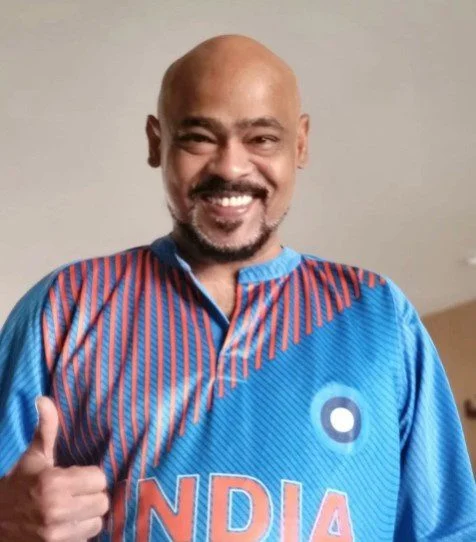
1. Vinod Kambli
- Pension Amount: ₹30,000 per month
- Contributions: Kambli was known for his flamboyant batting in the 90s, scoring two Test double centuries in his short career of 17 Tests.
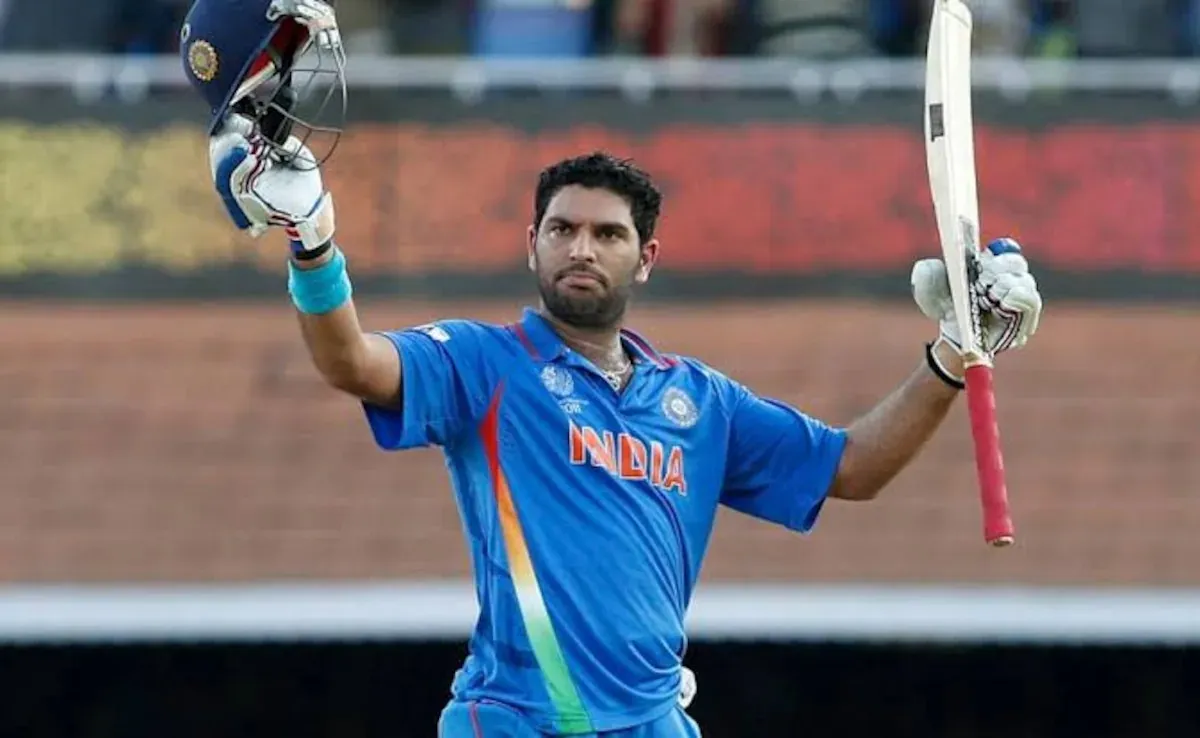
2. Yuvraj Singh
- Pension Amount: ₹60,000 per month
- Contributions: Yuvraj played a crucial role in India’s 2011 World Cup win and was the Player of the Tournament. He was also a key player in the 2007 T20 World Cup victory.
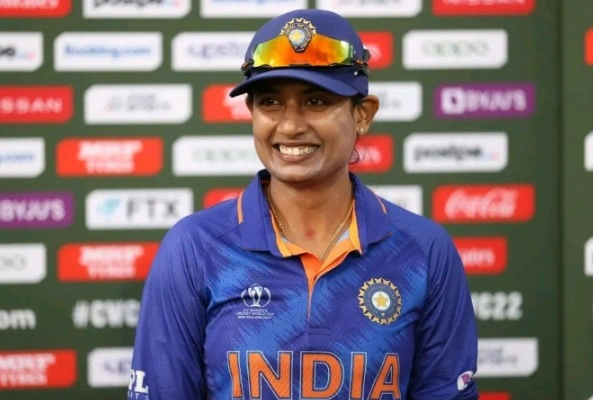
3. Mithali Raj
- Pension Amount: ₹52,500 per month
- Contributions: Mithali led the Indian women’s cricket team to two World Cup finals and remains the highest run-scorer in women’s international cricket.
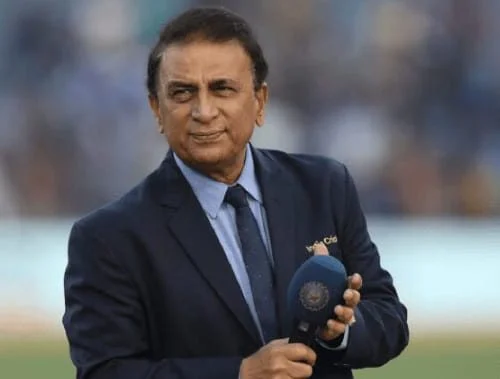
4. Sunil Gavaskar
- Pension Amount: ₹70,000 per month
- Contributions: Gavaskar was the first player to score 10,000 Test runs and set a record with 34 Test centuries, shaping India’s cricketing legacy.
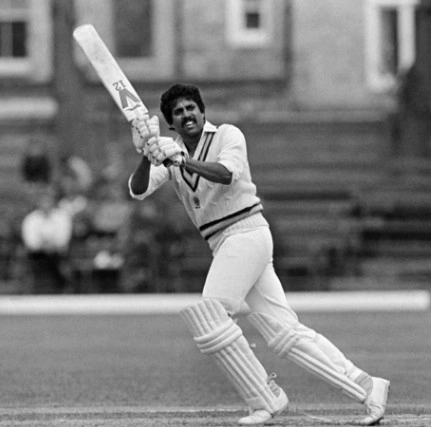
5. Kapil Dev
- Pension Amount: ₹70,000 per month
- Contributions: Kapil led India to its first-ever World Cup victory in 1983. His all-round performance and leadership changed the course of Indian cricket.
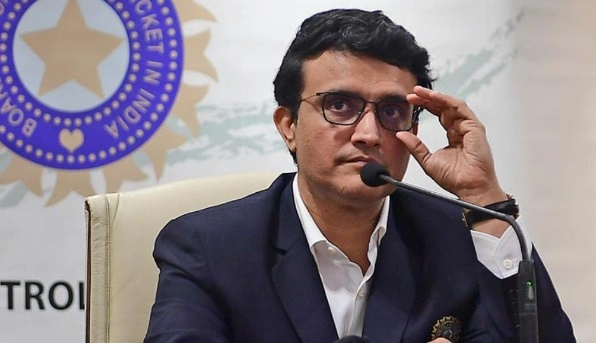
6. Sourav Ganguly
- Pension Amount: ₹70,000 per month
- Contributions: Ganguly is credited with reshaping Indian cricket with his aggressive captaincy, leading India to major overseas victories.
The BCCI pension scheme ensures that these cricketing legends receive financial support as a gesture of gratitude for their remarkable contributions to Indian cricket.
Role Of Player Associations
Player associations play a crucial role in ensuring the welfare of cricketers, especially after their retirement. The Indian Cricketers’ Association (ICA) focuses on ensuring a steady pension for retired cricketers, helping them maintain financial stability after their playing days.
When Sourav Ganguly, former BCCI President, announced a 75 to 100 percent hike in pensions for retired cricketers, ICA welcomed the decision.
In response to Ganguly’s announcement, ICA issued a statement saying:
“The announcement by the BCCI yesterday has been very well received by our members, many of whom have benefitted from this move in these days of rising prices and falling interest income, all of which has become a worldwide phenomenon.”
The statement further appreciated the BCCI’s move, especially considering the increase in medical reimbursement from ₹5 lakh to ₹10 lakh for those who have played 10 or more First-Class matches.
The role of ICA in advocating for such benefits highlights the importance of player associations in securing a comfortable life for cricketers post-retirement.
BCCI Pension Comparison With Other Cricket Boards
When we look at how cricket boards support their retired players, it’s interesting to compare the Board of Control for Cricket in India (BCCI) with Cricket Australia (CA) and the England and Wales Cricket Board (ECB).
Cricket Australia’s (CA) Retirement Benefits
Cricket Australia, in collaboration with the Australian Cricketers’ Association, established the Australian Cricketers’ Retirement Account (ACRA) in 2001.
This fund assists both international and domestic players in transitioning to post-cricket life by providing financial benefits.
Contributions to ACRA are invested, and eligible players receive post-career payouts based on these investments.
England and Wales Cricket Board (ECB) To Player Welfare
The ECB has been proactive in enhancing player contracts and welfare. As of October 2024, England’s female cricketers received pay raises exceeding 30%, with annual contracts ranging between £90,000 and £130,000.
Additionally, some players were offered multi-year deals for the first time, reflecting the ECB’s commitment to providing financial security and addressing gender pay disparities.
BCCI is the only board that offers monthly pensions to its retired players. CA provides retirement benefits through an investment fund, and the ECB focuses on enhancing current player contracts with significant pay raises and multi-year deals.
Each board tailors its approach to player welfare, reflecting its unique priorities and resources. Learn more about the world’s top 10 richest Cricket boards in one of our other posts.
More Suggested Reads:
Conclusion: Indian Cricketers Get An Average of ₹58,750 Monthly In Pension From BCCI
The BCCI provides a monthly pension to retired Indian cricketers, ensuring financial support after their playing career ends.
On average, former cricketers receive around ₹58,750 per month, depending on their playing history and category.
For instance, former Test cricketers now get ₹60,000 per month, while first-class cricketers who played 50-74 first-class matches receive ₹45,000. Women international players get ₹52,500, and other former first-class cricketers receive ₹30,000.
This pension scheme reflects the BCCI’s commitment to recognizing the contributions of cricketers who dedicated their careers to the sport. It offers financial security and acknowledges its role in shaping Indian cricket.
FAQs
Former cricketers and umpires who have contributed to Indian cricket and meet certain match and retirement criteria are eligible for the BCCI pension scheme.
The pension amount is based on the player’s role, career span, and retirement period. Test cricketers, first-class players, and umpires receive different pension amounts.
In June 2022, the BCCI increased monthly pensions for former players and umpires, doubling the pension for most first-class cricketers and match officials.
Retirement age varies based on a cricketer’s fitness, performance, and career goals. Most players retire in their late 30s or early 40s, but some retire earlier.

Leave a Comment