
Cricket is a game of strategy, where fast and spin bowling play vital roles in shaping outcomes. Fast bowlers rely on speed and bounce, while spinners use flight and turn to deceive batters.
Each style presents unique challenges, making it essential for young fans and fantasy cricket players to understand their impact.
Knowing how these bowlers perform in different conditions helps in making better predictions and team selections.
Understanding Fast Bowling
Fast bowling, often referred to as pace bowling, emphasizes delivering the ball at high speeds, typically ranging from 140 to 160 km/h (87 to 99 mph).
Bowlers like Shoaib Akhtar and Brett Lee have been known to reach these velocities. The primary objective is to outpace the batsman, forcing quick reactions and inducing errors.
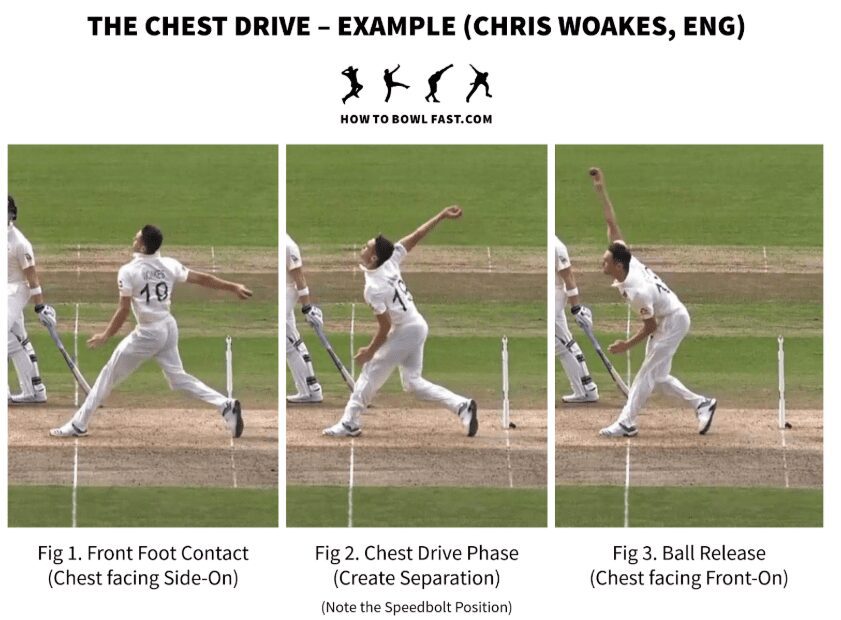
Types Of Fast Bowling
Fast bowling is one of cricket’s most thrilling aspects, combining raw speed, precise technique, and tactical intelligence to challenge batsmen.
Each type of fast bowling has its unique characteristics and demands different skills from the bowler, making it a complex and fascinating art form in cricket.
1. Swing Bowling
Swing bowlers use wrist and finger positions to move the ball in the air. There are two types:
- Conventional Swing – This is achieved with a shiny and rough side of the ball, effective in early overs. Bhuvneshwar Kumar is known for his masterful control over conventional swing, especially in powerplay overs
- Reverse Swing – This happens when the ball is older; the rough side creates movement at high speeds (above 85 mph). Zaheer Khan is considered one of India’s best reverse swing practitioners, who was particularly deadly in the 2011 World Cup.
2. Seam Bowling
Bowlers focus on landing the ball on the seam, making it deviate unpredictably off the pitch. Good seam bowlers exploit pitch conditions to trouble batters. Kapil Dev has natural seam position and ability to get movement off the pitch made him legendary.
3. Pace Bowling
Genuine fast bowlers rely on raw speed, often exceeding 140 km/h (87 mph), making it difficult for batters to react in time. Jasper Bumrah regularly bowls in the 140-145 km/h range, putting him in the fast bowler category.
4. Short-Pitched/ Bouncer Bowling
Bouncers are short-pitched deliveries aimed at the batsman’s upper body or head to create discomfort and force a false shot. Mohammed Shami is known for his lethal bouncer that rises sharply from a good length.
5. Yorker Bowling
Delivered at the batter’s toes, making it hard to hit; highly effective in death overs. Jasprit Bumrah is the master of the Yorker, especially in death overs, with his unique action.
6. Slower Balls & Variations
Includes cutters (off-cutters, leg-cutters) and knuckleballs to deceive batters with pace variations. Bumrah has a wide arsenal of variations including slower yorkers and off-cutters.
7. Cross-Seam Bowling
Used on dry, abrasive pitches where the bowler grips the ball across the seam to create unpredictable bounce. Mohammed Siraj effectively uses cross-seam deliveries, especially in Test cricket with the red ball.
Challenges Of Facing Fast Bowling
Facing fast bowling demands quick reflexes and sound technique. The high speed reduces the reaction time for batsmen, increasing the likelihood of mistimed shots or edges leading to dismissals.
Pitch conditions, such as grass cover and moisture, can enhance the effectiveness of fast bowlers by providing additional pace and bounce.
Why Is Fast Bowling Difficult to Play?
1. Reaction Time
Fast bowlers regularly clock speeds between 135-150 km/h (83-93 mph), with the fastest deliveries exceeding 160 km/h (99 mph). Batters have less than half a second to react at these speeds, making stroke execution extremely challenging.
2. Bounce and Movement
Short-pitched deliveries (bouncers) can target a batter’s body, forcing awkward movements.
Seam and swing bowlers exploit the conditions to move the ball in the air or off the pitch, increasing unpredictability.
3. Fear Factor
Facing bowlers who generate steep bounces or target the body (like Mitchell Starc, Mark Wood, or Jofra Archer) creates psychological pressure.
How Match Conditions Affect Fast Bowling
Fast bowling in cricket is heavily influenced by various environmental and physical factors that can significantly impact a bowler’s effectiveness.
Understanding these conditions is crucial for fast bowlers to adapt their strategies and maximize their performance on the field.
1. Pitch Conditions
- Green Pitches (with grass): Help fast bowlers as the ball grips and moves off the seam, making batting difficult.
- Hard Pitches (bouncy surfaces like Australia’s): Aid express pacers by generating extra bounce and pace.
- Dry, Cracked Pitches (subcontinental conditions): Tend to assist reverse swing rather than seam movement.
2. Weather & Atmospheric Conditions
- Cloudy, Humid Conditions: Enhance swing bowling as the ball moves more in the air.
- Hot, Dry Conditions: Make the ball scuff up faster, leading to reverse swing.
3. Ball Conditions
- New Ball: Swings more, making batting difficult in early overs.
- Old Ball: Loses shine but becomes useful for reverse swing, especially on abrasive surfaces.
- White Ball vs. Red Ball: The red ball swings longer (Test cricket), while the white ball swings early but then loses movement (ODIs and T20s).
These factors combined make fast bowling one of the toughest challenges for batters, requiring exceptional skill to counter.
Understanding Spin Bowling
Spin bowling relies on imparting significant rotation to the ball, causing it to deviate upon pitching.
Deliveries are typically bowled at speeds between 70 to 90 km/h (43 to 56 mph). Spin bowlers aim to deceive batsmen with flight, turn, and variations in pace.
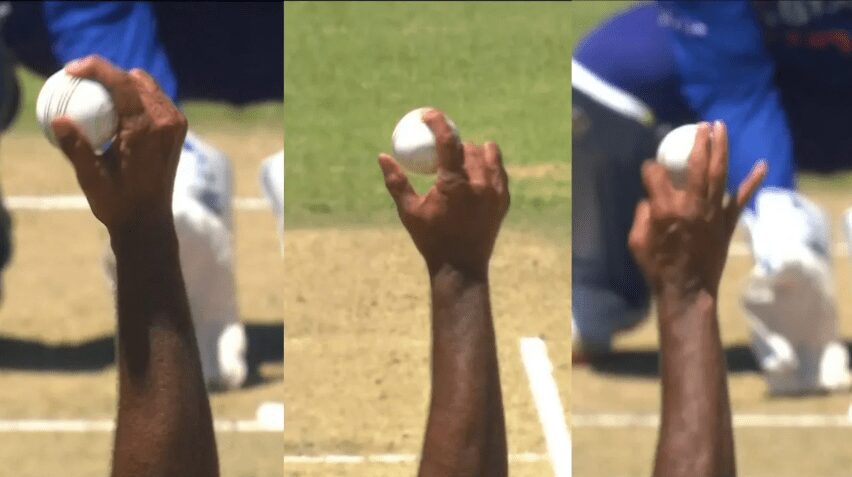
Types Of Spin Bowling
Spin bowling is the art of deceiving batsmen through variations in flight, turn, and bounce by imparting spin on the cricket ball.
From traditional off-spin to crafty leg-spin, each type offers unique ways to outfox the batsmen.
1. Off-Spin
A right-arm off-spinner turns the ball into a right-handed batter. Variations include:
- Arm Ball – Flatter and faster, with little turn.
- Carrom Ball – Released with a flick of the fingers, creating an unpredictable spin.
R. Ashwin is the master of arm ball and carrom ball variations.
2. Leg-Spin
A right-arm leg-spinner turns the ball away from a right-handed batter. Variations include:
- Googly – Turns the opposite way to deceive the batter.
- Top-Spinner – Dips and bounces more than expected.
- Flipper – Skids through quickly with little bounce.
Anil Kumble is famous for his fast googly, flipper, and his signature delivery top-spinner.
3. Left-Arm Orthodox Spin
Similar to off-spin but delivered by a left-arm bowler, turning the ball into right-handed batters. Ravindra Jadeja is known for his accurate, quick left-arm spin.
4. Left-Arm Unorthodox Spin (Chinaman)
Left-arm wrist spin, turning the ball away from right-handed batters, similar to leg-spin. Kuldeep Yadav is one of the rare successful chinaman bowlers in modern cricket.
5. Doosra & Teesra
Variations used by off-spinners to create deceptive movement, with the doosra spinning away and the teesra skidding on straight.
Harbhajan Singh is famous for his doosra and Saqlain Mushtaq is known for teesra.
6. Slider
A leg-spinner’s delivery that appears to turn but skids straight, deceiving the batter. Shane Warne had mastered the slider along with his leg-spin variations.
7. Under-Cutter
A low-spin ball that skids under the bat, effective on slow pitches. Sunil Narine is known for his effective under-cutters in T20 cricket.
Challenges Of Facing Spin Bowling
Playing spin requires excellent footwork and the ability to read the bowler’s hand to anticipate the type of delivery.
Factors such as pitch wear and dryness can significantly aid spinners, making the ball grip and turn more sharply.
Why Is Spin Bowling Difficult to Play?
1. Deception & Variations:
Spinners rely on flight, turn, and subtle changes in speed to deceive batters. A well-disguised googly, doosra, or carrom ball can trick even experienced players.
2. Ball Turn & Unpredictability:
Spinners extract sharp turns, making it difficult for batters to judge the ball’s movement after pitching. A batter expecting an off-break might get beaten by a delivery that goes straight or turns the other way.
3. Speed vs. Flight Challenge:
- Spinners bowl at speeds ranging from 75-95 km/h (46-59 mph), but some like Anil Kumble and Rashid Khan bowl quicker at 95-105 km/h (59-65 mph).
- Slower deliveries tempt batters to attack but require precise footwork to avoid getting stumped or mistiming shots.
4. Footwork & Judgement:
Unlike fast bowling, where reaction time is crucial, playing spin requires:
- Quick decision-making on whether to play forward or back.
- Good use of feet to reach the pitch of the ball and counter sharp turn.
How Match Conditions Affect Spin Bowling
The effectiveness of spin bowling in cricket is significantly influenced by match conditions, particularly the state of the pitch and weather factors.
As matches progress, pitches tend to deteriorate, creating more favorable conditions for spinners, especially in dry and dusty environments.
1. Pitch Conditions
- Dry, Cracked Pitches (subcontinent surfaces): Provide maximum spin as the ball grips and turns sharply.
- Damp or Green Pitches: Reduce spin effectiveness as the ball skids through instead of gripping.
- Old, Worn-Out Pitches: Help spinners the most, especially in Test cricket after 3-4 days.
2. Weather & Atmospheric Conditions
- Hot, Dry Conditions: Favor spinners as the ball grips more on dry surfaces.
- Cold, Moist Conditions: Reduce spin impact as the surface remains firm, preventing excessive turn.
3. Ball Conditions
- New Ball: Offers less grip, making it harder to generate a big turn.
- Old Ball: Becomes softer, allowing more grip and turn for spinners.
- White Ball vs. Red Ball: The red ball spins more due to its pronounced seam and durability in Test cricket.
All these factors make spin bowling difficult to counter, requiring batters to have exceptional technique and decision-making skills.
Statistical Comparison: Fast vs. Spin Bowling
The effectiveness of fast and spin bowlers varies across cricket formats:
Test Cricket
- Fast bowlers have historically taken more wickets, especially with the new ball.
- In swinging or seaming conditions (England, Australia, South Africa), pacers dominate.
- In subcontinental conditions (India, Sri Lanka), spinners thrive, especially in the later stages of a match.
One Day Internationals (ODIs)
- Fast bowlers are crucial in powerplays and death overs for breakthroughs.
- Spinners play a key role in middle overs, controlling the run rate and forcing mistakes.
- Economy rates generally favor spinners, but wicket-taking ability varies based on conditions.
T20 Cricket
- Fast bowlers focus on variations (yorkers, slower balls) to deceive batsmen.
- Spinners excel with tight lines, variations, and defensive fields, often having better economy rates.
- Wrist spinners, in particular, have been highly effective in T20s due to their unpredictability.
Spin vs Fast – Which Bowling Style Is Better In Death Overs?
In the final overs of limited-overs matches, known as the “death overs,” fast bowlers are often preferred due to their ability to deliver yorkers and bouncers, limiting scoring opportunities.
However, spinners with exceptional control and variations can also be effective, especially on pitches that offer turns.
Related Topics:
Conclusion: Spin vs Fast – Which Bowling Is Better?
Deciding whether fast or spin bowling is superior depends on multiple factors, including match format, pitch conditions, and team strategy.
Fast bowlers dominate with pace and bounce, making them lethal in seaming or bouncy conditions, while spinners thrive on slower, turning tracks, controlling the game with variation and deception.
Both styles are crucial for success. For fantasy cricket players, analyzing conditions and selecting a balanced mix of pacers and spinners can significantly improve team performance and maximize points.

Leave a Comment