
There have been a total of 345 Test matches where teams have enforced a follow-on. The first time this happened was during a Test match between England and Australia in 1880, which England won by five wickets after enforcing a follow-on. The last time this happened was during the match between Zimbabwe and South Africa, where Wiaan Mulder scored a triple-century.
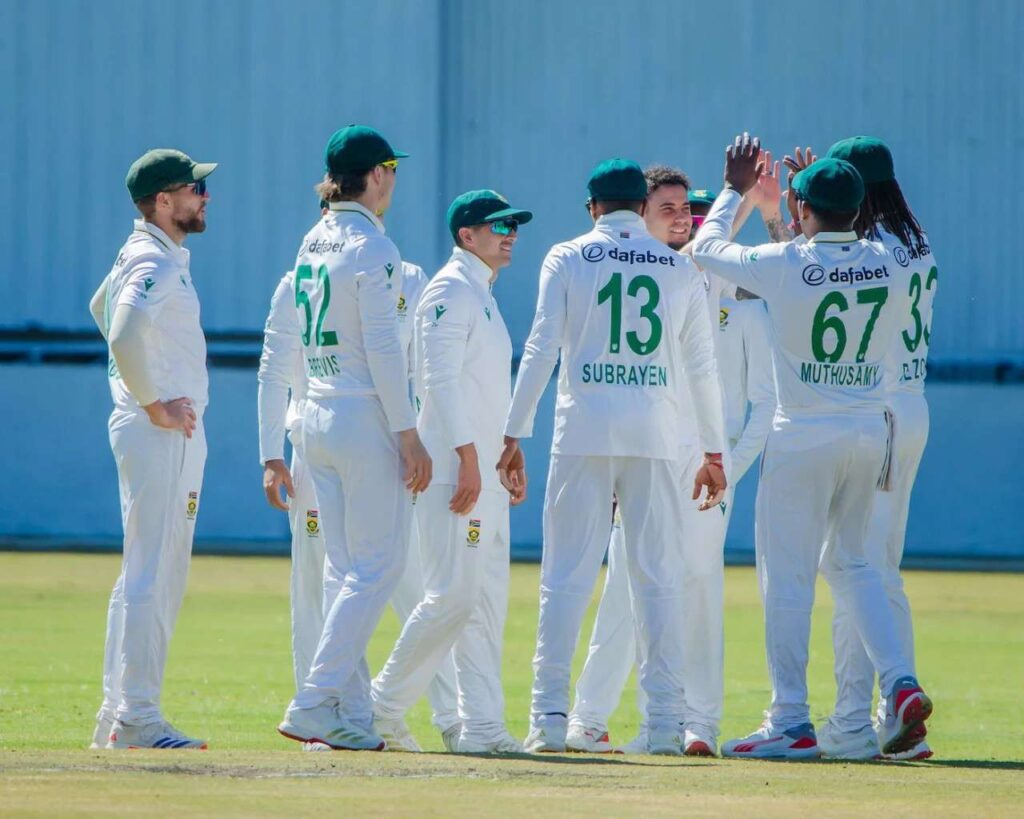
A total of 73 out of these 345 matches have ended in a draw, while the sides enforcing a follow-on have been victorious on 268 occasions. There have been only four Test matches in the history of the game, in which the team enforcing a follow-on went on to lose the game. Here are these four matches:
1. England vs Australia, 1894
England became the first team to win a Test match after being asked to follow-on. The incident happened during the first Test match of the England tour of Australia in 1894 at Sydney. Australia won the toss and elected to bat and piled up a total of 586 runs in the first innings. Syd Gregory scored 201 runs, while George Giffen made 161 runs. Tom Richardson took five wickets for 181 runs.
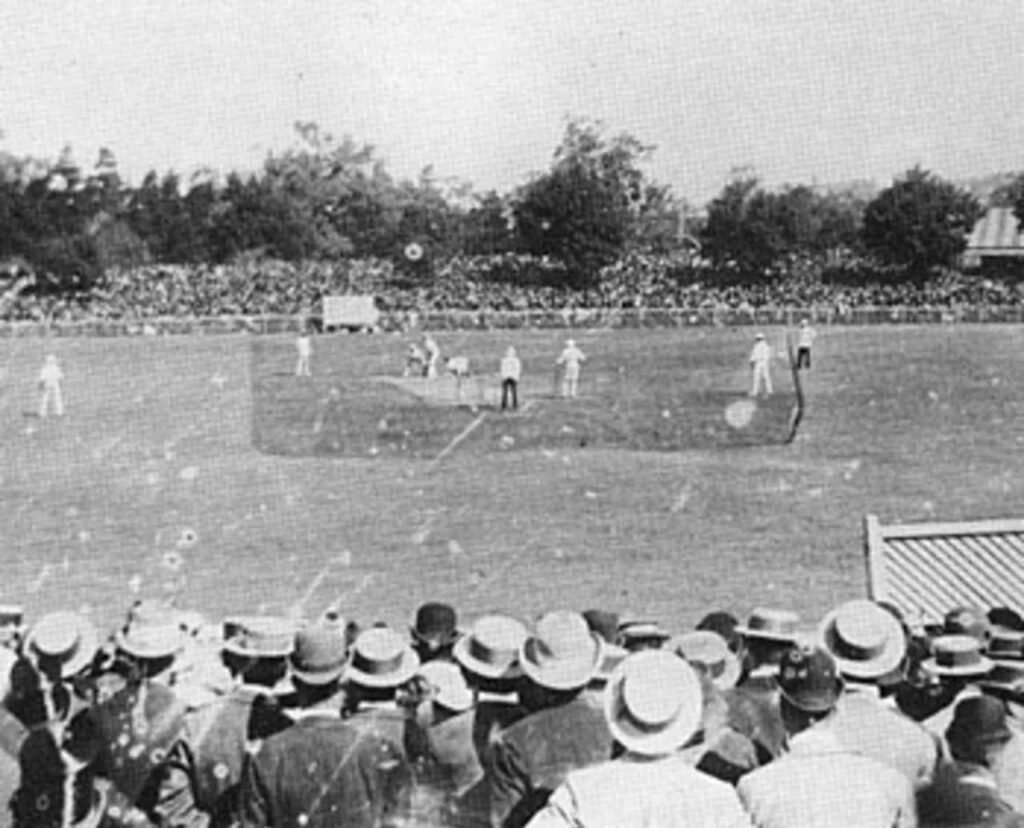
England managed 325 runs in their first innings, and only two batters managed to make a half-century for the team. Australia asked England to follow-on as the deficit was more than 200 runs. After scoring 75 runs in the first innings, Albert Ward scored 117 runs in the second innings and took England to a total of 437 runs.
Australia fumbled up in their second innings, and only four batters managed a double-digit score. The team was bundled out for 166 runs, and England won this historical match by 10 runs.
Want to know who holds the records for the Most Runs in Test Cricket? Find out here.
2. England vs Australia, 1981
After 87 years, Australia was again in the same situation, and this happened during the third Test of the 1981 series. Just like the first time, Australia won the toss and elected to bat. John Dyson made 102 runs, while skipper Kim Hughes and Graham Yallop scored a half-century each. Australia declared their innings on 401 runs for the loss of nine wickets. Ian Botham was the pick of the bowlers for England and took six wickets.
Botham scored a half-century for England in the first innings, but no other batter managed to score more than 30 runs. England scored 174 runs in their first innings and were asked to follow-on.
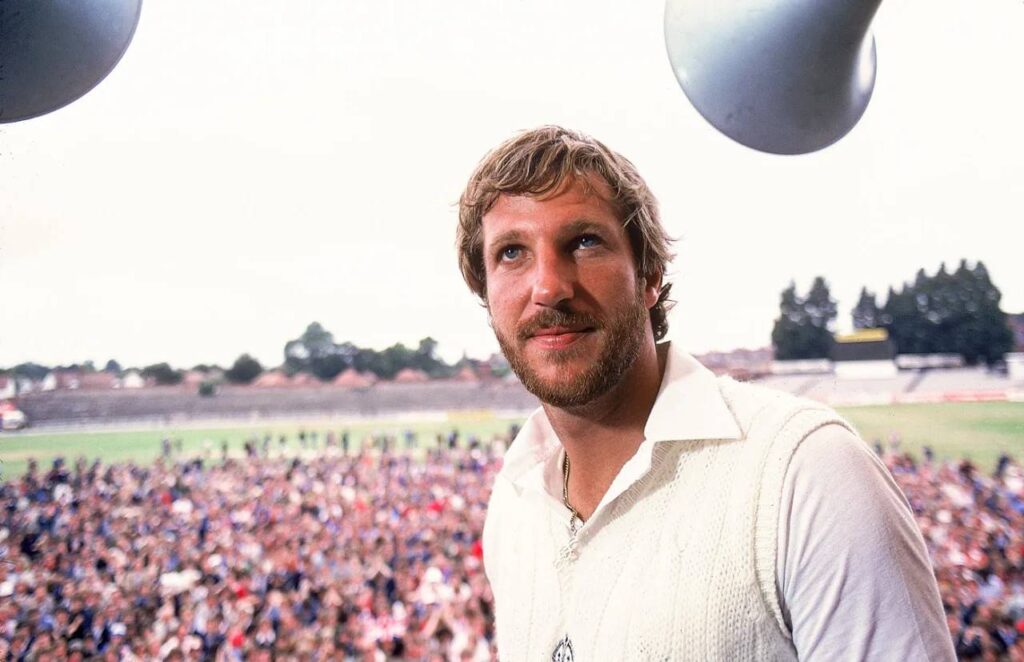
Botham came out to rescue once again in the second innings and remained unbeaten on 149 runs. Geoff Boycott scored 46 runs, while Graham Dilley made 56 runs. England was bundled out for 356 runs and gave Australia a target of 130 runs.
Six out of 11 Australian batters were dismissed for a single-digit score. Australia scored 111 runs in the second innings and lost the match by 18 runs.
3. India vs Australia, 2001
At number three is the historical Test match between India and Australia. Australia lost another Test match after asking the opponent to follow-on. India hosted Australia for a three-match Test series in 2001, and Australia won the first match by 10 wickets. For the second Test, the teams arrived in Kolkata, where Australia won the toss and elected to bat.
Steve Waugh scored his only century in India in which proved to be his last tour to India. Matthew Hayden was dismissed for 97 runs, and Australia scored 445 runs. Harbhajan Singh was the pick of the bowlers and took seven wickets, including a hat-trick. He was the first bowler to take a hat-trick in a Test match.
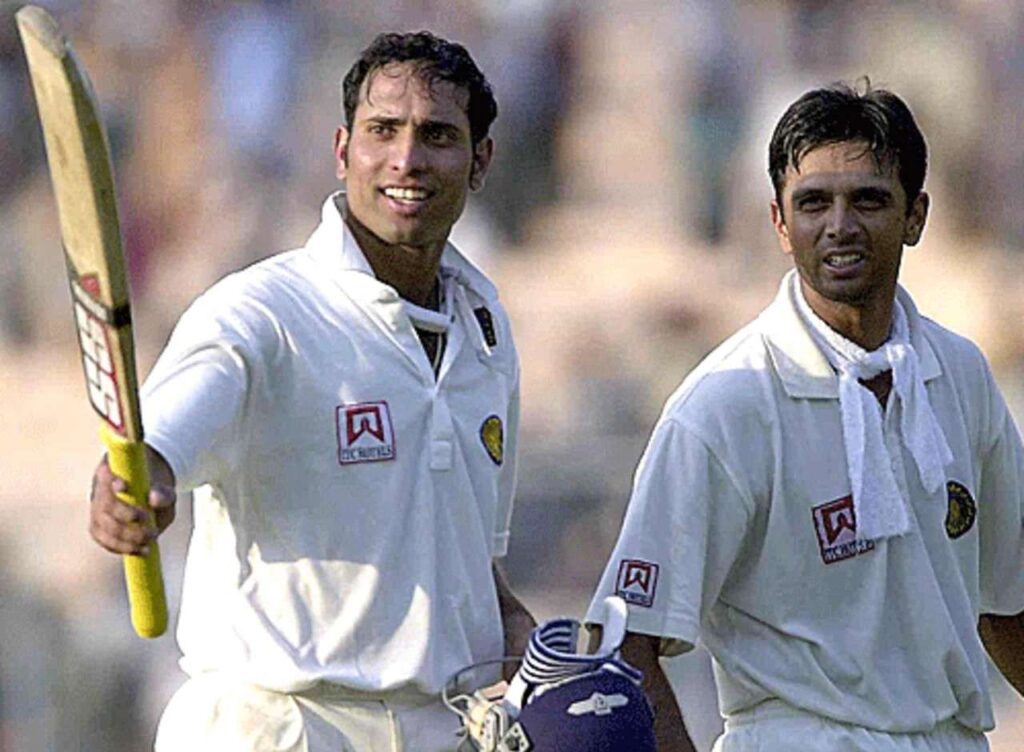
VVS Laxman scored 59 runs off 83 deliveries for India in the first innings and was the only batter to cross the 30-run mark. India was bundled out for 171 runs and was asked to follow-on. India lost both the openers for 97 runs, and VVS Laxman was promoted to the third position. It was only the second time Laxman batted in the number three position. He had a partnership of 376 runs for the fifth wicket with Rahul Dravid. Laxman made 281 runs before getting dismissed in the 171st over. Dravid scored 180 runs before getting run out in the 176th over. India declared on 657 runs for the loss of seven wickets.
Australia had a target of 384 runs to be chased down in the fourth innings. Matthew Hayden and Michael Slater added 74 runs for the first wicket, and the Indian bowlers dominated from that position. Australian bowlers couldn’t understand what had happened to them, and a batting lineup that almost scored 450 runs in the first innings was bundled out for 212 runs in the second innings. Harbhajan was again the star with the ball for India and took six wickets. Laxman won the Player of the Match award for his batting performance.
4. New Zealand vs England, 2023
England was on the other end this time as New Zealand became only the fourth team to win a Test match after being asked to follow on. This happened in the second Test during the England tour of New Zealand in 2023. New Zealand won the toss and elected to field.
England lost their first three wickets for 21 runs, and then Joe Root and Harry Brook’s rise as the new No. 1 Test batter became evident as they added 302 runs for the fourth wicket before Brook was dismissed for 186 runs. Root remained unbeaten on 153 runs off 224 deliveries. England declared their innings on 435 runs for the loss of eight wickets.
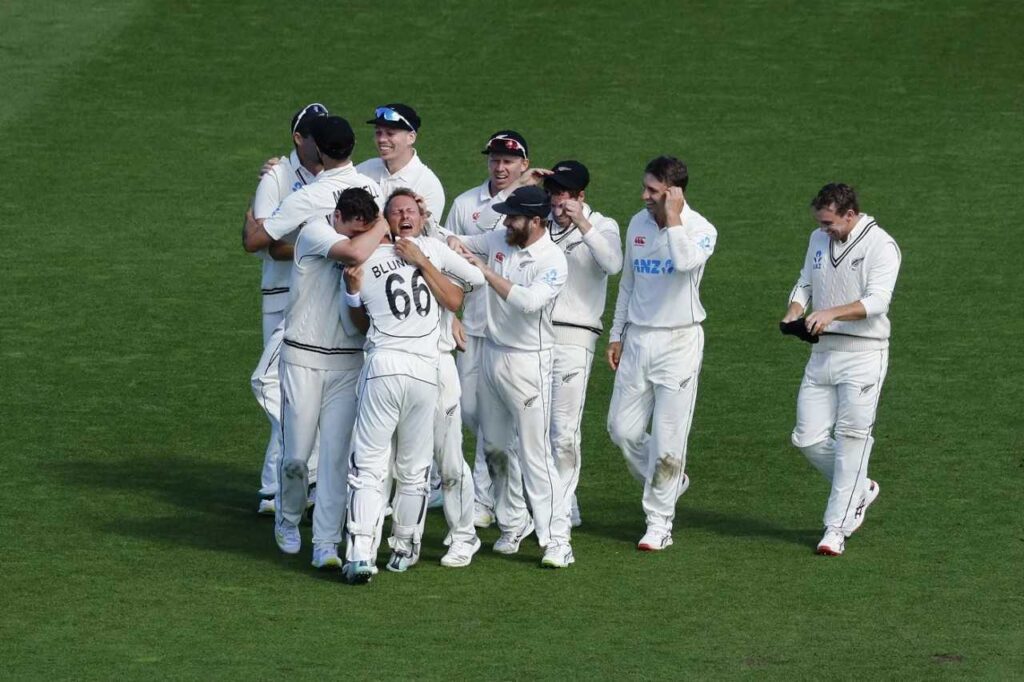
New Zealand, in reply, scored 209 runs in their first innings. Tim Southee was the highest scorer and made 73 runs off 49 deliveries. New Zealand was asked to follow on and finished with 483 runs this time. Kane Williamson scored a 132-run innings and Tom Blundell made 90 runs. England had a target of 258 runs to chase in the fourth innings.
England lost their first five wickets for 80 runs. Root and Ben Stokes joined hands and added 121 runs to take the team’s total over the 200-run mark. England lost the next two wickets for 14 runs. Ben Foakes and Jack Leach added 36 runs for the ninth wicket, and the total crossed the 250-run mark. Neil Wagner took James Anderson’s wicket in the 75th over, and England was all out for 256 runs. New Zealand won the match by one run. This was only the second time a team won a Test match by the margin of one run.

Leave a Comment