
Picture this – you are holding a cricket ball in your hand. It’s small, hard, and packed with the power to turn the confidence of a batsman into pure panic or make a bowler beam with pride. If you love cricket, whether you’re playing in the park or glued to the TV, knowing your cricket balls is like knowing the secret recipe behind your favorite dish.
By the time you’re done reading this, you’ll know exactly which ball is used in which match, why it matters, and even which one you should pick if bowling is your thing. Plus, you’ll have those fun little facts that make you sound like a total cricket pro when chatting with your friends.
Let’s dive in and check out the different types of cricket balls that keep this game so exciting.
An Overview Of Cricket Balls
Understanding the different types of cricket balls can help players make the best choice for their game. Here’s a quick overview:
| Ball Type | Description | Usage | Key Characteristics |
|---|---|---|---|
| Red Leather Balls | Traditional cricket balls made from high-quality leather | Test Matches, First-Class Games | Excellent swing and seam movement. |
| White Leather Balls | Dyed white for better visibility under floodlights | ODIs, T20s | Less swing and seam, maintains visibility. |
| Pink Leather Balls | Designed for day-night Test matches; offers good visibility and performance. | Day-Night Test Matches | Balanced swing and seam, better visibility. |
| Training Balls | Often synthetic or low-quality leather | Practice Sessions | More durable, cost-effective for training. |
| Softball Cricket Balls | Made from soft rubber or low-quality wood | Casual Play, Practice | Lightweight, easy to handle, not for professional use. |
Here’s a detailed look at the red, white, and pink cricket balls and how they are best utilized in different match formats.
1. Red Leather Balls
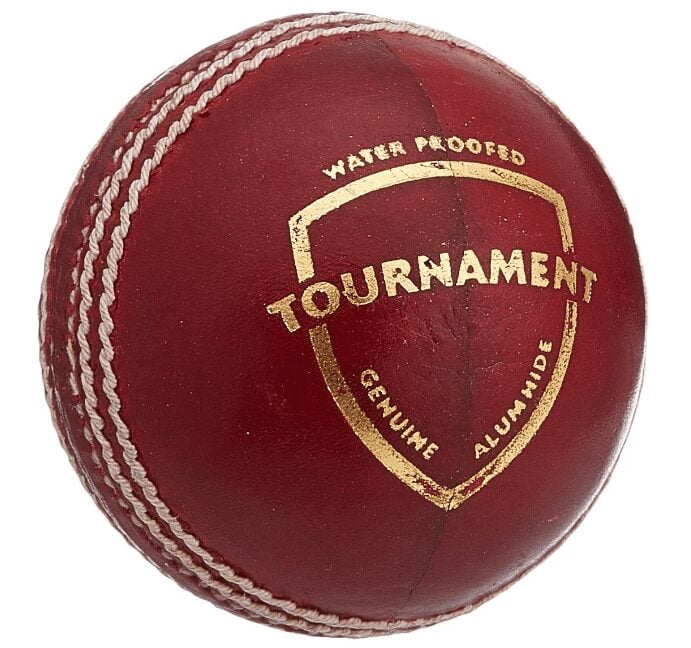
The red leather ball is traditionally used in Test matches and first-class cricket. Known for its durability and consistent performance, the red ball is ideal for day matches. Its color helps players and spectators see it clearly during daylight hours.
1. Characteristics:
- Material: High-quality leather with a red dye.
- Color: Bright red for visibility during the day.
2. Best for:
- Test Matches & First-Class Cricket: Preferred for its ability to swing and seam over extended periods in longer formats of the game.
3. Benefits:
- Durability: Maintains its condition over long periods, ideal for extended matches.
- Behavior: Swings and seams effectively, making it a favorite among bowlers for its consistency.
Price: ₹1,500 – ₹3,800
2. White Leather Balls
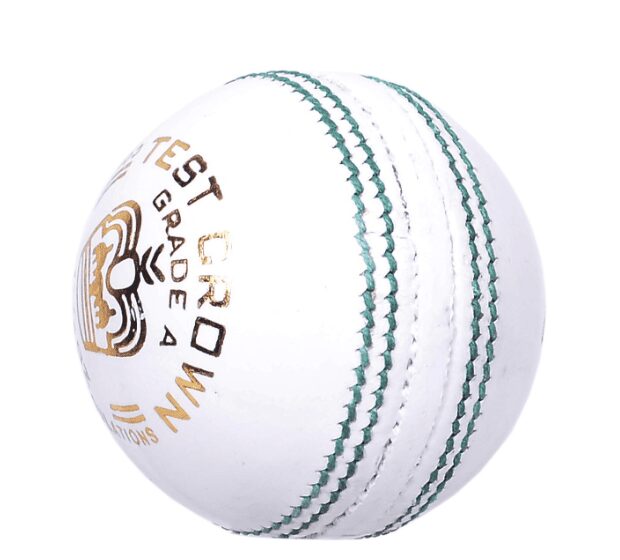
White Leather Balls are mainly used in One Day Internationals (ODIs) and Twenty20 (T20) matches. These balls are white, making them easier to see under the lights at night. They are built like red leather balls but have a special coating to keep their color.
White balls can get dirty and lose their shine faster than red balls, which can affect how they move. They are made to be visible in different lighting conditions so players and spectators can easily see the ball.
1. Characteristics:
- Material: High-quality leather with a white coating.
- Color: Bright white for better visibility under lights.
2. Best for:
- ODI & T20 Matches: Perfect for short formats, especially day-night games.
3. Benefits:
- High Visibility: Easier to see under artificial lights.
- Behavior: Swings like red balls at first but wears out faster, becoming softer and affecting bounce later in the game.
Price: ₹1,900 – ₹4,500
3. Pink Leather Balls
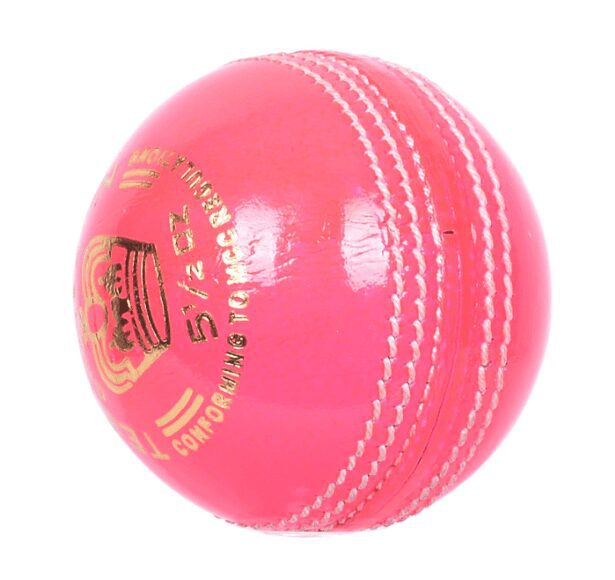
Pink leather balls were introduced to improve visibility during day-night Test matches. They offer a balance between the traditional red ball and the white ball, ensuring visibility under various lighting conditions.
1. Characteristics:
- Material: Same high-quality leather as red and white balls, with a pink dye.
- Color: Bright pink for high visibility, especially under floodlights.
2. Best for:
- Day-Night Test Matches: Ensures visibility for both players and spectators during changing light conditions.
3. Benefits:
- High Visibility: Easier to see in both daylight and under floodlights.
- Behavior: Similar swing and seam characteristics to the red ball, with added visibility.
Price: ₹1,900 – ₹4,500
4. Training Balls
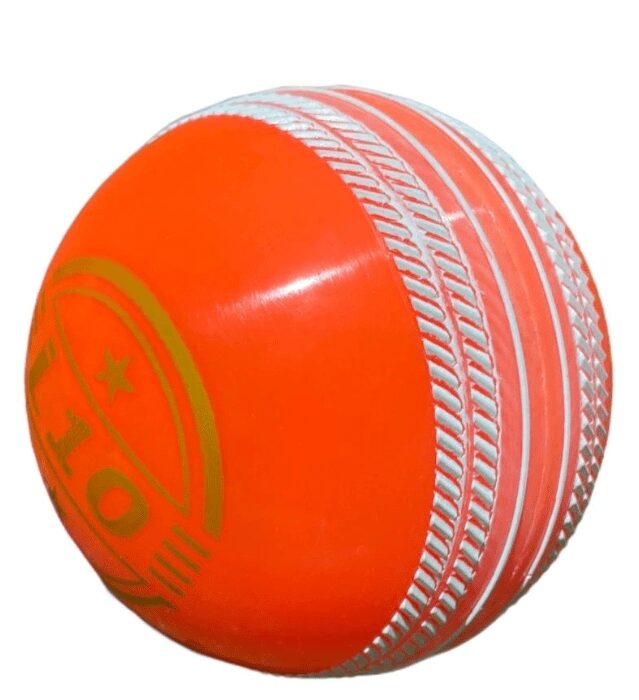
Training Balls are used for practice sessions and are available in red, white, and pink. These balls are often made from synthetic materials or lower-quality leather and are designed to be more durable and cost-effective for training purposes. They help players improve their skills without the high cost of professional match balls. These balls are great for repetitive practice, allowing players to hone their techniques without worrying about damaging more expensive equipment.
1. Characteristics:
- Material: Synthetic or lower-quality leather.
- Color: Available in red, white, and pink.
2. Ideal for:
- Practice Sessions: Helps players improve their skills without the cost of high-quality match balls.
3. Benefits:
- Durability: Built to withstand repeated use in practice environments.
- Cost-Effective: More affordable, making them perfect for extensive training sessions
Price: ₹750 – ₹1,900
5. Softball Cricket Balls
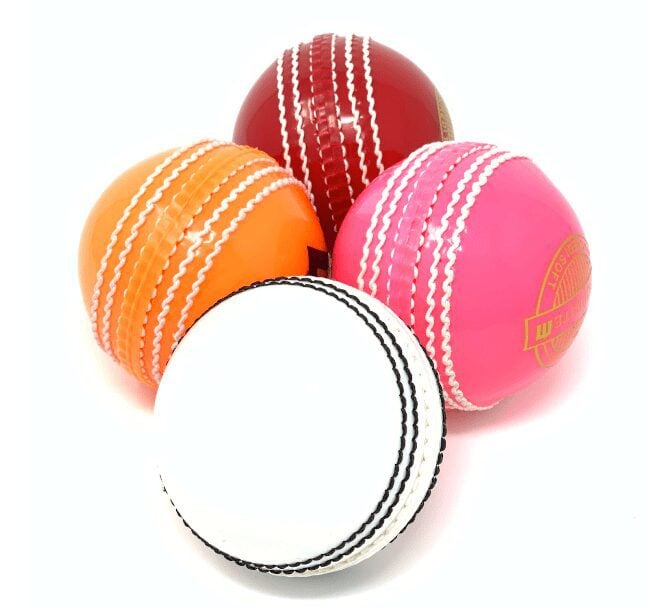
Softball Cricket Balls are made from soft rubber or low-quality wood and are used for informal or gully cricket. These balls are not suitable for professional matches but are great for casual play and practice. They are lightweight and easy to handle, making them a popular choice for young players and those just playing for fun.
1. Characteristics:
- Material: Soft rubber or low-quality wood.
- Color: Varies, often red or white.
2. Ideal for:
- Casual Play & Practice: Perfect for informal games and practice sessions without the risk of injury from harder balls.
3. Benefits:
- Safety: Safer for casual and young players due to their soft material.
- Affordability: Inexpensive, making them accessible for all kinds of informal cricket.
Price: ₹380 – ₹1,100
Differences Between Red, White, And Pink Balls
Here’s a side-by-side comparison of the different types of cricket balls used in various formats of the game:
| Feature | Red Balls | White Balls | Pink Balls |
|---|---|---|---|
| Usage | Test matches, first-class cricket | ODIs, T20 matches | Day-night Test matches |
| Characteristics | Dyed bright red for visibility in daylight | Dyed bright white to enhance visibility under floodlights | Dyed bright pink for high visibility under various lights |
| Material | Made from high-quality leather, with a pronounced seam | Similar high-quality leather with special lacquer | Made from high-quality leather with a special coating |
| Performance | Known for excellent swing and seam movement | Initially swings like red balls, but loses shine quicker | Balances swing and seam characteristics of red balls |
| Seam & Swing | Seam helps with movement in the air and off the pitch | Visibility is maintained but swing and seam reduce as it wears | Visible in both daylight and under floodlights |
| Durability | – Maintains condition well over long periods of play | – Wears out faster, becoming softer and affecting bounce | – Designed to maintain condition and visibility over time |
Cricket Ball Manufacturers
There are three main manufacturers of cricket balls used in international matches:
1. Kookaburra
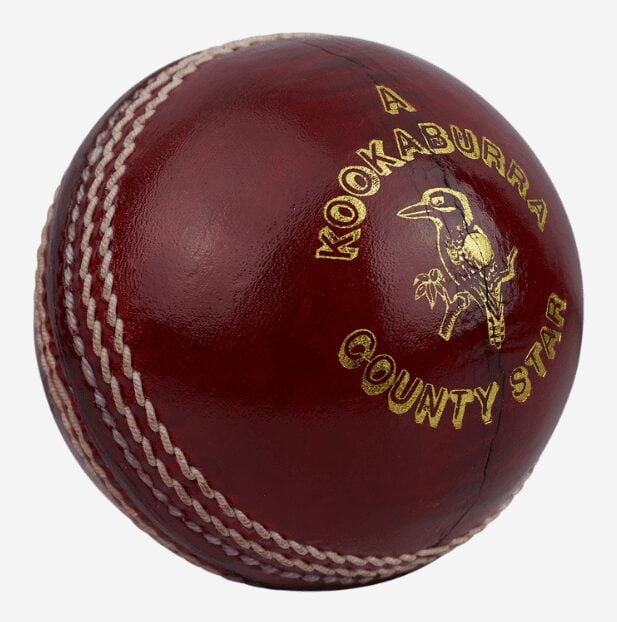
Kookaburra cricket balls are widely used in many countries for ODIs (One Day Internationals) and T20 matches. These balls are known for their consistent quality and performance. They are designed to last through the shorter formats of the game, providing good swing and seam movement initially.
Key Points:
- Usage: ODIs and T20s
- Popularity: Used in most countries
- Performance: Offers good initial swing and seam
Price Range:
- Single Ball: ₹375 – ₹800
- Pack of 6 Balls: ₹5,874 – ₹6,190
- Pack of 12 Balls: ₹11,748 – ₹13,788
2. Dukes
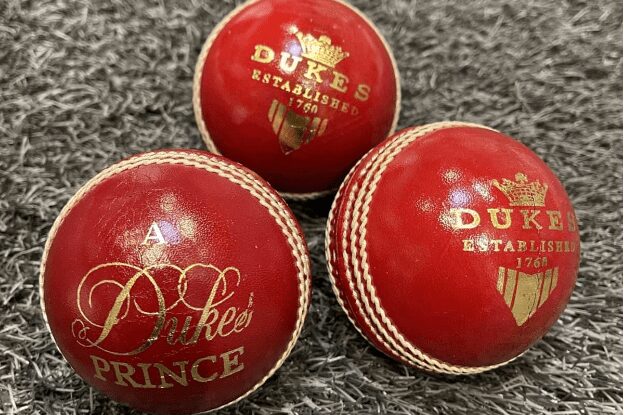
Dukes cricket balls are predominantly used in England, Ireland, and the West Indies. These balls are famous for their ability to swing and seam, making them a favorite among bowlers. The quality of the leather and craftsmanship ensures that Dukes balls maintain their condition over long periods, ideal for Test matches.
Key Points:
- Usage: Test matches
- Popularity: Used in England, Ireland, and the West Indies
- Performance: Known for excellent swing and seam
Price Range:
- Single Ball: ₹589 – ₹1,003
- Pack of 6 Balls: ₹2,318 – ₹2,549
- Pack of 12 Balls: ₹4,295 – ₹4,799
3. SG (Sanspareils Greenlands)
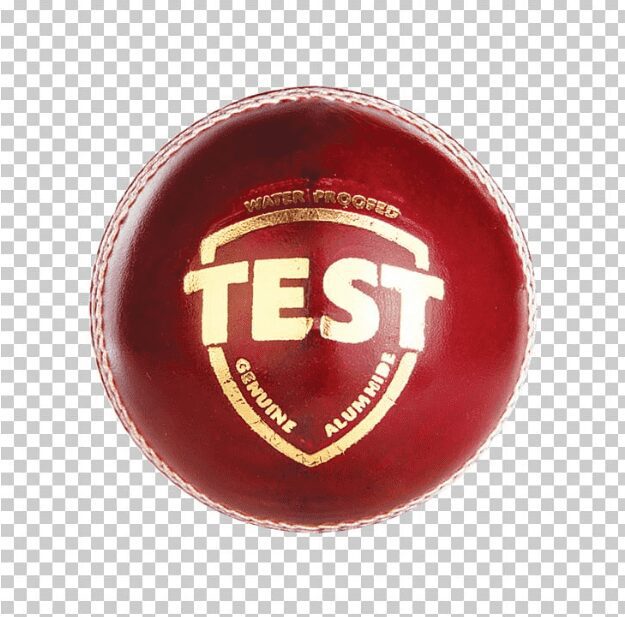
SG cricket balls are primarily used in India and are known for their durability and spin-friendly characteristics. These balls are crafted to withstand the rough and abrasive pitches often found in India. SG balls are favored in domestic cricket and Test matches in India.
Key Points:
- Usage: Test matches, especially in India
- Popularity: Widely used in India
- Performance: Durable and spin-friendly
Price Range:
- Single Ball: ₹425 – ₹1,003
- Pack of 6 Balls: ₹2,318 – ₹2,549
- Pack of 12 Balls: ₹4,295 – ₹4,799
Cricket Ball Cost
The cost of cricket balls varies depending on the type, brand, and quality. Here’s a general overview of the prices you can expect for different types of cricket balls:
| Ball Type | Approximate Cost (USD) |
|---|---|
| Red Leather Balls | $20 – $50 (₹1,500 – ₹3,800) |
| White Leather Balls | $25 – $60 (₹1,900 – ₹4,500) |
| Pink Leather Balls | $25 – $60 (₹1,900 – ₹4,500) |
| Training Balls | $10 – $25 (₹750 – ₹1,900) |
| Softball Cricket Balls | $5 – $15 (₹380 – ₹1,100) |
How To Choose A Cricket Ball?
Choosing the right cricket ball depends on the format of the game, playing conditions, and personal preference. Here’s a table to help you decide:
| Criteria | Recommended Ball Type |
|---|---|
| Format | Test Matches: Red Leather, Day-Night Tests: Pink Leather |
| Visibility | Day Matches: Red Leather, Night Matches: White or Pink Leather |
| Swing and Seam | Test Matches: Dukes, ODIs: Kookaburra |
| Training | Training Balls |
| Casual Play | Softball Cricket Balls |
Cricket Balls Size Guide
Choosing the right cricket ball size is crucial for players of all ages. Here’s a guide to help you select the appropriate ball size based on age groups:
| Age Group | Ball Size (Diameter) | Ball Weight (oz) | Circumference (inches) |
|---|---|---|---|
| Under 5 years | 4.5 inches | 4.5 oz | 14 inches |
| 5-8 years | 5 inches | 5 oz | 15.7 inches |
| 9-12 years | 5.5 inches | 5.5 oz | 17.3 inches |
| 13-16 years | 5.75 inches | 5.75 oz | 18 inches |
| Adults (17+ years) | 5.5 inches | 5.5 oz | 17.3 inches |
Conclusion: The Right Ball Can Change the Game!
And that’s it – your crash course on cricket balls. Just like you wouldn’t use the same knife for every job in the kitchen, cricket has a ball for every occasion, each with its own tricks and charm.
The next time you watch a match, you’ll be spotting the small details – why the bowler is shining just one side, why they bring in a new ball halfway through, or how the seam can change the whole game.
So whether you’re playing with your mates or cheering from the stands, you now know that in cricket, even the ball has its own story. Pretty cool, right?

Leave a Comment