
Cricket is a game rich in tradition and governed by detailed laws, but few rules spark as much debate as Mankading. This controversial dismissal involves the bowler running out the non-striker before delivering the ball.
Some see Mankading as a smart, legal tactic enforcing the rules, while others argue it violates the spirit of the game. The act has divided players, fans, and commentators alike.
This article examines the origins of Mankading, its place within cricket’s laws, and the ongoing debate surrounding its fairness and acceptance in modern cricket.
Mankading In Cricket
Mankading refers to a bowler running out the non-striker batter by removing the bails before completing the delivery stride if the non-striker leaves the crease early.
It is named after Indian cricketer Vinoo Mankad, who famously executed this mode of dismissal against Australia in 1947–48. The rule exists to prevent the non-striker from gaining an unfair advantage by backing up too far before the ball is bowled.
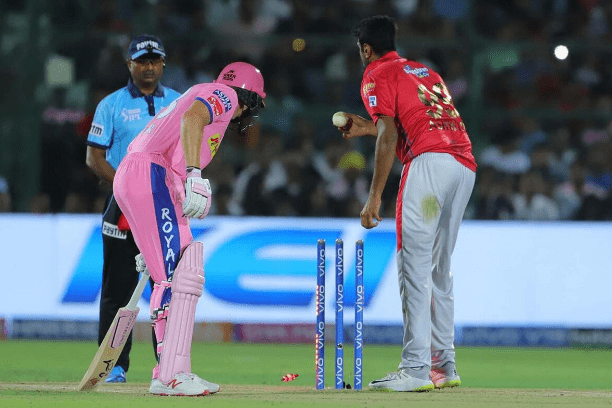
According to the Laws of Cricket, a bowler is permitted to run out the non-striker if they leave their crease before the ball is delivered. The bowler must, however, do this before completing their bowling action.
This dismissal is categorized as a run out, not a mode of dismissal by the bowler. Though legal, the act often leads to debates over sportsmanship. You can read more about the ways a batter can be dismissed in cricket for better context.
Famous Mankading Incidents In Cricket History
Mankading, the act of running out a non-striker who leaves the crease early, has sparked controversy throughout cricket history. Though fully legal under the laws, these dismissals often ignite debates about sportsmanship and the spirit of the game.
Below are some of the most notable and debated Mankading incidents in cricket.
1. Vinoo Mankad vs. Bill Brown (1947–48)
During India’s tour of Australia, Mankad ran out Bill Brown at the non-striker’s end before bowling.
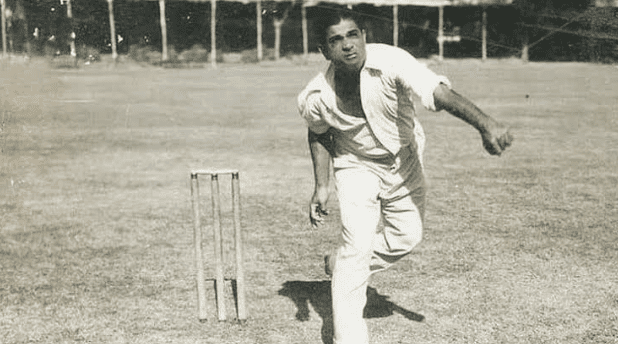
The dismissal was legal but sparked controversy about the spirit of the game. Notably, Sir Donald Bradman defended Mankad’s action as within the laws.
2. Kapil Dev vs Peter Kirsten (1992–93)
In an ODI in South Africa, Kapil Dev ran out Peter Kirsten at the non-striker’s end after warning him about leaving the crease early.
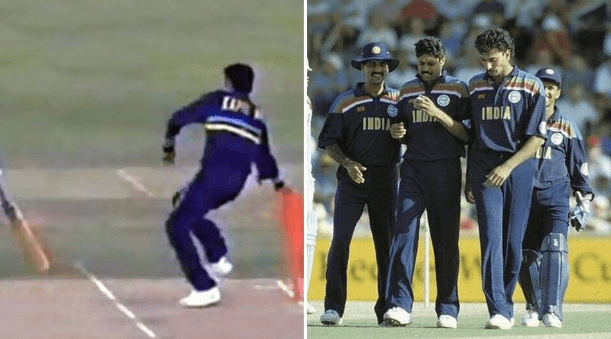
The dismissal was legal but caused heated discussion. Kirsten acknowledged the warning and accepted the dismissal.
3. Sachithra Senanayake vs Jos Buttler (2014)
In an ODI at Edgbaston, Senanayake ran out Buttler by Mankading after warning him twice for leaving the crease early.
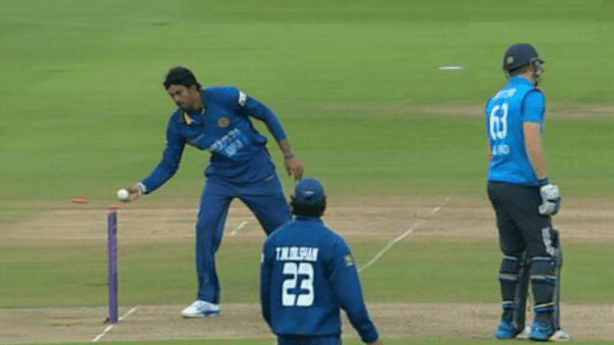
The dismissal was legal but sparked debate on sportsmanship.
4. Ravichandran Ashwin vs Jos Buttler (2019)
In an IPL match, Ashwin ran out Buttler at the non-striker’s end without warning, causing widespread debate.
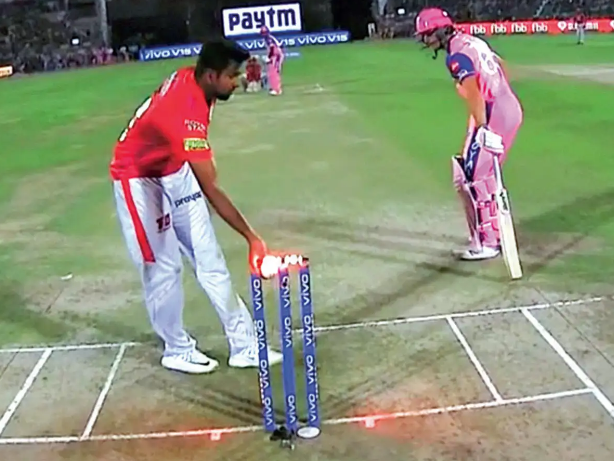
The dismissal was within the laws but sparked controversy over whether it aligned with the spirit of the game.
5. Deepti Sharma vs Charlotte Dean (2022)
In September 2022, at Lord’s, India’s Deepti Sharma legally Mankaded England’s Charlotte Dean in the 3rd ODI. The dismissal sparked debate over sportsmanship, though the MCC confirmed it was within cricket laws.
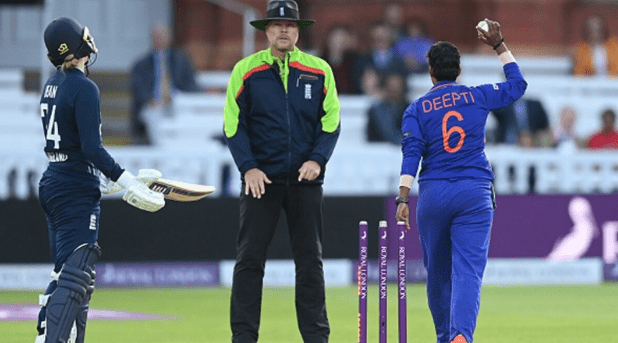
India’s captain defended the decision, highlighting players must stay in their crease until the ball is delivered.
Is Mankading Legal Or Not?
Mankading is a legal mode of dismissal in cricket, governed by Law 38.3 of the MCC’s Laws of Cricket. This law permits a bowler to run out a non-striker who leaves the crease early, provided the wicket is broken before the bowler reaches the highest point of their delivery stride.
In response to controversies, the MCC clarified the law in January 2023, specifying that once the bowler’s arm passes the vertical, the non-striker cannot be run out under this law.
While the law is clear, debates continue regarding the spirit of the game. The MCC encourages bowlers to issue a warning before attempting a Mankad, promoting fair play.
Related Reads:
Conclusion: Mankading in Cricket – A Legal Dismissal Within the Laws of the Game
Mankading is a legal and official mode of dismissal designed to maintain fairness and prevent the non-striker from gaining an undue advantage. Though it has sparked controversy and debates about sportsmanship, the rule is clearly enshrined in cricket’s laws.
As the game evolves, the focus is shifting towards respecting the laws and discouraging time-wasting or unfair tactics. Ultimately, Mankading serves as a reminder that cricket balances the letter of the law with the spirit of fair play, and players on both sides must play responsibly.

Leave a Comment